

The Ultimate Guide to a Nervous System Reset: 5 Gentle Practices
A nervous system reset is not about forcing yourself to calm down. It is about giving your body enough safety, softness, and rhythm to remember that it does not have to stay on high alert all day.

From a nurse’s perspective, the nervous system is beautifully protective. It raises your heart rate, sharpens your focus, and prepares your body to respond when life feels demanding.
But when stress becomes constant, your body can begin living in “alert mode” even when nothing urgent is happening.
This is where gentle nervous system regulation matters.
What Is a Nervous System Reset?
A nervous system reset is a small practice that helps shift your body out of stress activation and toward rest, digestion, recovery, and emotional steadiness.
Your sympathetic nervous system helps with action and survival. Your parasympathetic nervous system supports rest, repair, digestion, and calm.
The goal is not to be calm every second. The goal is to help your body move more easily between stress and recovery.
Signs Your Nervous System May Need Support
You may benefit from a gentle reset if you feel wired but tired, easily irritated, emotionally overloaded, tense in your shoulders, sensitive to noise, or unable to fully relax.
You may also notice shallow breathing, trouble sleeping, digestive discomfort, brain fog, or the feeling that everything is “too much.”
These signs do not mean something is wrong with you. They are signals from a body asking for care.

1. Start With a Longer Exhale
Breathing is one of the simplest ways to communicate safety to the body.
When your exhale is longer than your inhale, it can help slow the pace of your stress response and invite the body into a softer rhythm.
Try this:
Inhale gently for 4 counts. Exhale slowly for 6 counts. Repeat for 3 to 5 rounds.
Do not force a perfect breath. Keep it soft, quiet, and comfortable.
2. Create a Low-Stimulation Pause
Your nervous system processes more than your thoughts. It responds to sound, light, clutter, notifications, temperature, and pace.
A low-stimulation pause gives your brain less to filter.
Dim the lights. Silence the phone. Sit somewhere quiet. Let your eyes rest on one simple object, like a candle, plant, cup of tea, or folded blanket.
This is not laziness. This is sensory recovery.

3. Use Gentle Pressure
Gentle pressure can help the body feel grounded.
This may look like wrapping yourself in a blanket, placing a pillow against your chest, using a weighted blanket if appropriate for you, or pressing your feet firmly into the floor.
The message is simple: I am here. I am supported. I do not have to float through this moment.
Try this grounding practice:
Sit down and press both feet into the floor. Notice the weight of your body in the chair. Relax your jaw. Drop your shoulders by one inch.
Small signals count.
4. Do a 5-Minute Body Scan
A body scan helps you notice where stress is hiding.
Start at your forehead. Move slowly down to your jaw, neck, shoulders, chest, belly, hips, legs, and feet.
You do not need to fix every sensation. Just notice it.
5. End With a Closing Ritual
Your nervous system loves gentle repetition.
A closing ritual tells your body, “The day is ending. We are allowed to come down now.”
This can be warm tea, a shower, soft music, stretching, journaling, prayer, skincare, or turning your phone face down for the night.
The ritual does not need to be aesthetic. It needs to be repeatable.
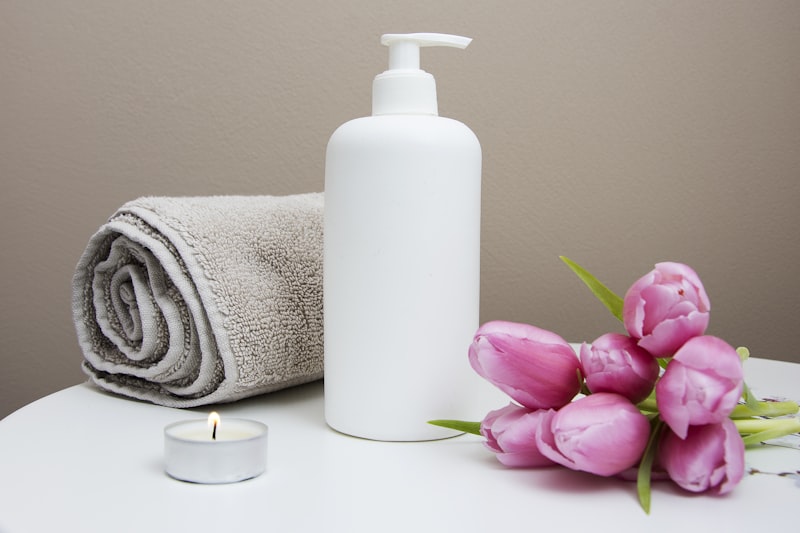
A Gentle Nervous System Reset Routine
Here is a simple 10-minute version you can try tonight:
Minute 1: Turn down lights and silence notifications.
Minutes 2–4: Practice longer exhales.
Minutes 5–7: Do a slow body scan.
Minutes 8–9: Press your feet into the floor and relax your jaw.
Minute 10: Choose one closing phrase: “I am safe enough to soften.”
When to Seek Extra Support
Gentle practices can support stress management, but they are not a replacement for medical or mental health care.
If you are experiencing panic attacks, trauma symptoms, chest pain, severe insomnia, depression, or thoughts of harming yourself, please reach out to a qualified professional or emergency support right away.
Your softness still deserves real support.
The Lifvyt Closing Ritual
Tonight, do not try to become a completely new person.
Just give your body one quiet signal of safety.
A slower breath. A softer room. A warm cup. A hand on your chest. A bedtime that does not involve scrolling until your brain feels fried.
Your nervous system does not need perfection.
It needs consistency, compassion, and a little less noise.
Disclaimer: This content is for educational and informational purposes only and is not a substitute for professional medical advice, diagnosis, or treatment. Always seek the advice of your physician or other qualified health provider with any questions you may have regarding a medical condition.
The Sunday Soft Reset
A calmer start to your week.
Get Lifvyt’s weekly collection of gentle wellness reads, nervous-system resets and practical tools — plus the free 5-Minute Nervous System Reset Guide.
By signing up, you’ll receive the free guide and one gentle Lifvyt email each week. Unsubscribe anytime.