

Calendula for Skin: Traditional Uses, Modern Research and How Infused Oil Is Made
Calendula for skin looks like bottled sunshine—and honestly, the flowers are doing a lot for the mood. Here is what traditional herbalists use them for, what wound-healing research found and what a calendula oil actually is.
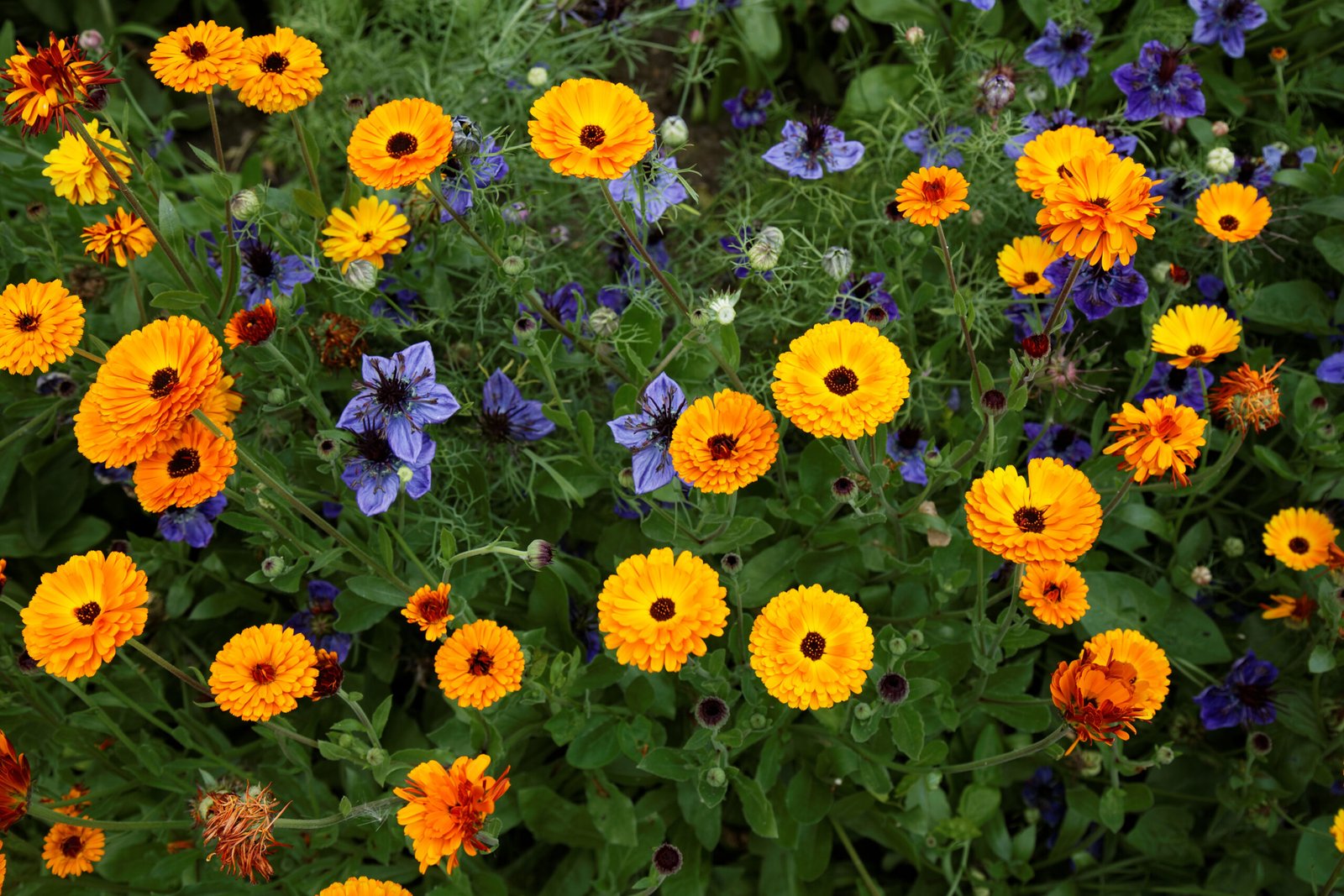
First, what plant are we actually talking about?
Calendula is Calendula officinalis, also called pot marigold. It is not the same plant as every garden flower sold as “marigold.” Herbal preparations typically use the orange or yellow flower heads.
Calendula-infused oil is made by steeping the flowers in a carrier oil. That is different from an essential oil, different from a water-based tea, and different again from the standardized creams used in some trials.

Inside calendula: color, triterpenes and antioxidant activity
These flower compounds are linked to anti-inflammatory activity in cell and animal experiments. They are one reason oil-based and ointment preparations are studied for skin use.
Quercetin- and isorhamnetin-related flavonoids can act as antioxidants in laboratory systems by interacting with reactive molecules. Human skin outcomes depend on the finished product, concentration and condition being studied.
Lutein, beta-carotene and other pigments help create calendula’s yellow-orange color. They have antioxidant activity, but bright petals do not turn every homemade oil into a clinically tested treatment.
What may happen in skin: Preclinical research suggests effects on inflammatory signals, collagen-related activity and new tissue formation. Clinical reviews find some encouraging wound-healing results, but preparations and wound types vary, and several trials are small.
What people have traditionally used it for
European and Western herbal traditions commonly use calendula flower externally. People often describe it as a gentle, soothing option for:
- Dry or easily irritated skin
- Minor chafing and everyday rough patches
- Oil infusions, balms and salves
- Traditional washes or compresses
Translation: traditional use tells us what people have valued and repeated over time. It is culturally meaningful, but it is not the same thing as a controlled clinical trial.
What the studies actually show
Most useful calendula research is topical. Even there, different creams, extracts, wounds and comparisons make the full picture less tidy than the golden petals.
A 2019 systematic review found some benefit—and mixed trials
The review found encouraging evidence for wound healing, including some positive clinical findings. Two radiation-dermatitis trials disagreed with each other, and the authors called for larger, better randomized studies.
Promising · mixed
A 2025 systematic review included calendula among clinically studied herbs
The broader wound-care review found positive progress across herbal formulations, including calendula-containing approaches, but formulations and wound types varied. It supports continued research more than a one-size-fits-all claim.
Supportive · broad review
A 2025 update still emphasizes mechanisms and research gaps
The newer review describes plausible anti-inflammatory and tissue-repair pathways, much of them based on laboratory or preclinical work. Mechanisms help explain why researchers are interested; they do not replace human trials.
Early / mechanistic

What calendula-infused oil actually means
- Dried calendula flowers are covered with a stable carrier oil in a clean, dry jar.
- The mixture infuses over time, then the flowers are strained out. Commercial makers may use controlled heat or extraction methods.
- The finished infused oil can be used as-is or included in a salve. Water-based homemade products need different preservation knowledge.
Keep the label: Calendula-infused carrier oil is not calendula essential oil and should not be treated like one.
What I would not tell you
I would not tell you to put a homemade product into a deep wound, use a salve on an unexplained rash indefinitely or assume “natural” means sterile. Calendula can be gentle and still have boundaries. That is normal, not scary.
A quick fit check—without the scary speech
- Patch-test a new topical product on a small area first, especially if you react to daisy-family plants.
- Use clean hands and clean containers; oil infusions and water-based creams have different storage needs.
- For deep, spreading, very painful or infected-looking skin concerns, skip the DIY experiment and get appropriate care.
If you use prescriptions or manage an ongoing condition, a pharmacist is often the fastest person to ask about herb–medicine fit. Bring the actual product label; “calendula” can mean tea, tincture, powder, oil or a standardized extract, and those are not interchangeable.
The LIFVYT takeaway
Calendula has one of the clearest traditional identities in the herb cabinet: gentle topical care. Human evidence is encouraging but mixed, while much of the newer detail is still mechanistic. Choose a well-made product, use it for simple situations and let “promising” stay honest.
References
- Herbal medicine for the management of wounds: a systematic review of clinical trials. 2025. PMID: 39757623.
- An update of phytotherapeutic advances of marigold (Calendula officinalis) in dermal repair. 2025. PMID: 41304647.
- A systematic review of Calendula officinalis extract for wound healing. 2019. PMID: 31145533.
- An updated review on the multifaceted therapeutic potential of Calendula officinalis. 2023. PMID: 37111369.
Educational note: This article is for general education and does not diagnose, treat or replace personal medical care. Herbal products vary by species, plant part and preparation. If you are pregnant or breastfeeding, use prescription medicine, have allergies or a health condition, or plan to use a concentrated product, check with a qualified clinician or pharmacist who can review your specific situation.
The Sunday Soft Reset
A calmer start to your week.
Get Lifvyt’s weekly collection of gentle wellness reads, nervous-system resets and practical tools — plus the free 5-Minute Nervous System Reset Guide.
By signing up, you’ll receive the free guide and one gentle Lifvyt email each week. Unsubscribe anytime.