

Lifvyt Journal
How to Reset Your Home When It Feels Messy and Overwhelming
A gentle, realistic guide for the days when your home feels loud, your brain feels full, and the laundry has quietly formed a small government.

A Home Reset Is Not a Whole-House Makeover
A home reset is a gentle way to bring one part of your space back to calm when the mess feels too big to face.
It is not deep cleaning. It is not a full organizing marathon. It is not suddenly becoming someone who owns twelve matching clear bins and says things like “I love labeling systems.”
It is simply choosing one small area and helping it breathe again.
Some days, your home does not feel dirty as much as it feels loud.
The counter has mail. The couch has laundry. The bedroom chair has become a clothing museum. The sink is giving attitude. There is one random cup in every room like your house is hosting a very low-budget beverage festival.
You look around and think, Where do I even start?
Then, because the answer is unclear, you start nowhere.
Very relatable. Not ideal, but deeply relatable.
This guide is not here to shame you into cleaning. It is here to help your home feel less overwhelming one small reset at a time.
The Quiet Truth
Your home does not have to be perfect to feel peaceful. It only needs one place where your nervous system can exhale.
First, Pick the Kind of Relief You Need
Before you start cleaning, ask yourself what would make the room feel better fastest.
Need visual calm? Clear one surface.
Need less chaos? Collect trash.
Need a softer mood? Turn on a lamp and reset one corner.
Need momentum? Set a 15-minute timer.
Need emotional survival? Start with the cup in the room that has been staring at you for three days. We all know the cup.
Why a Messy Home Can Feel So Overwhelming
A messy home is not just a visual issue.
It can become a decision issue, a sensory issue, and a stress issue.
Every item asks a tiny question. Where do I go? Do you still need me? Am I trash? Am I important? Why am I on the stairs? Do not ask why I am on the stairs.
That is a lot of mental noise.
Clutter can make it harder to focus, relax, and feel settled. When your space is full of unfinished decisions, your brain may keep scanning instead of resting.
When someone is overwhelmed by their home, I do not see laziness first. I see load. Visual load, emotional load, family load, work load, and the quiet pressure of being responsible for everything that has no obvious place to go.

Step One: Stop Looking at the Whole House
The whole house is too much information.
Your brain sees dishes, laundry, shoes, toys, mail, crumbs, bags, bathroom things, bedroom things, and one object you do not remember buying but apparently now own.
So do not start with the whole house.
Start with one landing place.
Choose One Reset Zone
The kitchen counter.
The bed.
The coffee table.
The bathroom sink.
The entryway.
Your desk.
The chair that has been holding emotional support laundry.
Pick the zone that would give you the most relief if it looked calmer.
Not the zone that “should” matter. The one your body keeps noticing.
The One-Zone Promise
“I am not cleaning the whole house. I am resetting one place.”
This matters because overwhelm loves to make everything feel urgent. A reset works because it makes the next step small enough to actually begin.
Step Two: Use the Three-Pile Home Reset
Do not overthink it.
You only need three categories.
The Three Piles
Trash: wrappers, old mail, empty bottles, broken things, mystery receipts.
Elsewhere: items that belong in another room.
Home: items that already have a place nearby.
If something has no home, do not pause your whole life to solve its destiny.
Put it in a temporary basket called “Needs a Home.” This basket is not a moral failure. It is a waiting room.
The “Needs a Home” basket works best when it does not become a permanent retirement village for random objects. Give it a date. Even objects need boundaries.
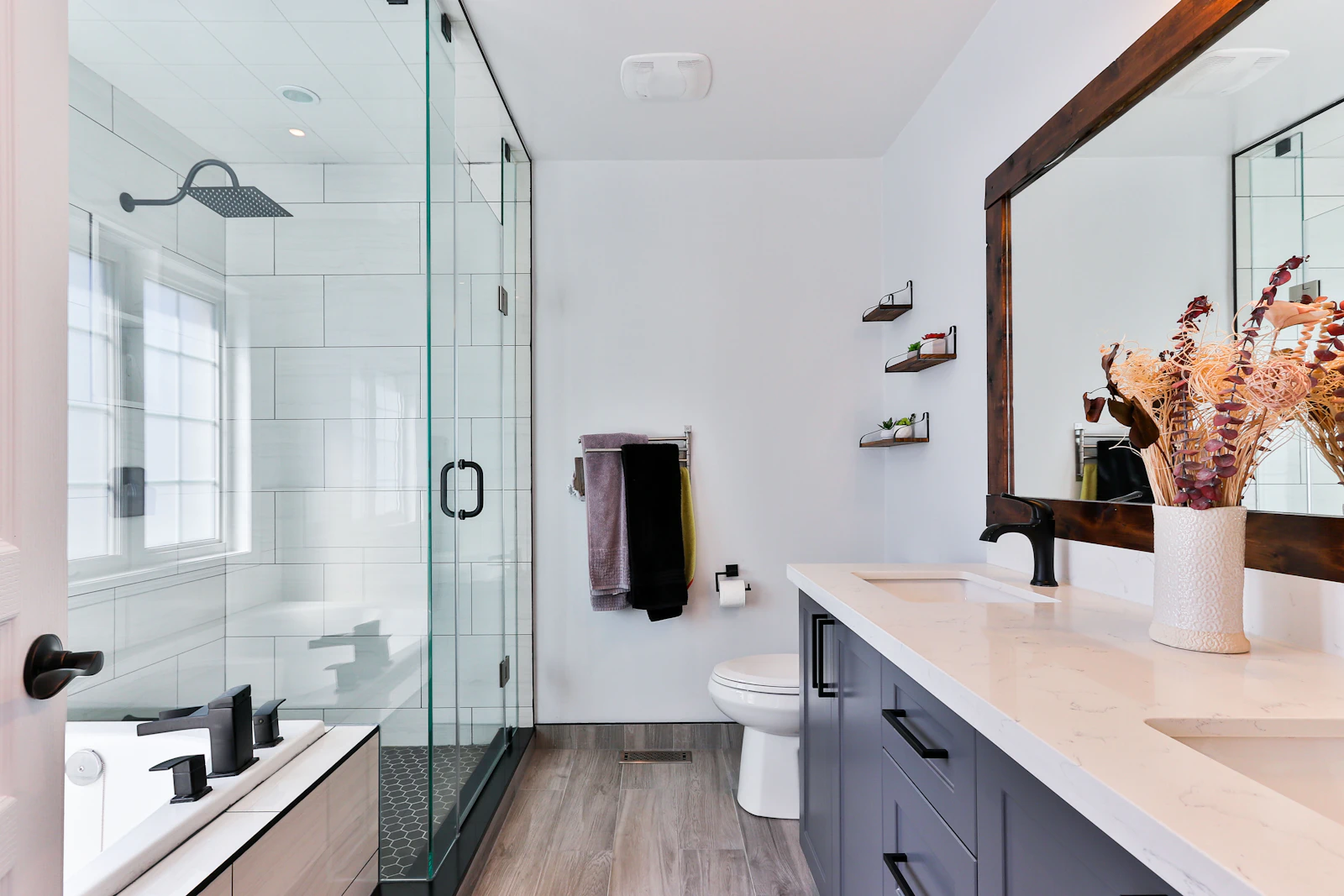
Step Three: Reset One Surface
A clear surface can change the whole mood of a room.
It gives your eyes somewhere to rest. It also creates proof that progress is happening, even if the rest of the house is still in its “before” era.
Choose one surface and clear it completely.
The One-Surface Rule
Remove everything from the surface.
Throw away obvious trash.
Return what belongs nearby.
Move “elsewhere” items to one basket.
Wipe the surface.
Put back only what is useful, beautiful, or calming.
This is not minimalism.
This is your counter no longer yelling at you.
“A reset does not require a perfect home. It requires one visible sign that calm is possible here.”
Step Four: Do Not Start Ten Rooms at Once
This is where many home resets go rogue.
You start with the coffee table. Then you carry a cup to the kitchen. Then you notice dishes. Then you open the fridge. Then you find something expired. Then suddenly you are cleaning the spice cabinet and the coffee table is still judging you from across the room.
No.
Stay with the original zone.
The Lifvyt Rule
If it belongs somewhere else, place it in the elsewhere basket. Do not personally escort every item home like it is arriving at a luxury resort.
You can deliver the basket later.
Right now, your job is to finish one reset. One finished zone is better than six emotionally opened tabs.

Step Five: Create a Closing Cue
A home reset needs an ending.
Otherwise, you may keep going until you are tired, resentful, and suddenly reorganizing under the sink at midnight like a person auditioning for a cleaning documentary.
Choose a closing cue before you start.
Good Closing Cues
The timer ends.
The surface is clear.
The trash bag is full.
The basket is moved to one place.
The bed is made.
You can stand in the room and feel one percent less attacked by objects.
That one percent counts.
Sometimes one percent is the doorway back.
Try This Today
The 15-Minute Home Reset Plan
Use this when your home feels overwhelming and you do not have the energy for a full clean.
Set a timer. Choose one zone. Keep it simple.
Minutes 1–3: Collect obvious trash.
Minutes 4–7: Put “elsewhere” items in one basket.
Minutes 8–10: Return nearby items to their home.
Minutes 11–13: Wipe one surface or make one bed.
Minutes 14–15: Add one calming cue, like a lamp, water glass, plant, candle, flowers, or folded blanket.
Then stop.
Yes, stop. The house may still have opinions. Let it.
What to Do When Your Family Keeps Re-Messing the House
This is the part where the article becomes personal.
A home reset can feel discouraging when other people live there and insist on behaving like other people.
Children drop things. Partners have mysterious sock habits. Everyone uses cups. Someone will place a snack wrapper beside the trash instead of inside it, which is a choice that historians may never fully understand.
So the goal cannot be total control.
The goal is creating small systems that are easy to repeat.
Make the Reset Easier for Everyone
Put a basket where items naturally pile up.
Keep trash cans in the rooms where trash actually appears.
Use open bins for toys, shoes, blankets, or mail.
Create a five-minute family pickup before bedtime.
Label only if labels help. Do not label your way into a new personality.
Make the right action easier than the messy one.
Your home is lived in. That is not the problem.
The problem is when every object becomes your responsibility alone.
When the Mess Is Really Burnout
Sometimes the house is not the root issue.
Sometimes the mess is evidence that you have been stretched too thin.
If you are exhausted, grieving, depressed, anxious, working too much, caregiving, or barely sleeping, your home may reflect your nervous system’s limited capacity.
That deserves compassion.
Stress can affect focus, energy, sleep, and daily function. Therefore, a messy home is not always a character issue. Sometimes it is a signal that your body and mind need more support, fewer demands, and smaller steps.
If cleaning feels impossible because of depression, anxiety, chronic illness, trauma, or severe fatigue, consider reaching out to a healthcare provider or mental health professional.
You deserve support before the whole house becomes a crisis scene with throw pillows.
The Lifvyt Home Reset Checklist
Choose one zone.
Collect obvious trash.
Move “elsewhere” items into one basket.
Return nearby items to their place.
Clear one surface.
Wipe or straighten one thing.
Add one calming cue.
Stop before the reset becomes a full personality test.
Continue Your Journey
Explore More from Lifvyt
Browse gentle wellness resources, digital tools, and intentional living guides created to support calmer routines and everyday well-being.
Browse Our ProductsThe Lifvyt Closing Ritual
Tonight, do not reset your whole home.
Reset one place.
One counter.
One chair.
One nightstand.
One small surface where your eyes can rest.
Throw away the obvious trash. Move the random things into a basket. Wipe the surface. Add one gentle cue.
Then let it be enough.
“I do not need a perfect home. I need one peaceful place to begin.”
A home reset is not about proving you have everything together.
It is about giving yourself one visible reminder that calm can return, even here, even now, even with laundry nearby acting like it pays rent.
References
Centers for Disease Control and Prevention. “Managing Stress.” Read source
Cleveland Clinic. “How Spring Cleaning Can Lift Your Mood.” Read source
Cleveland Clinic. “Mental Health Benefits of Spring Cleaning.” Read source
Cleveland Clinic. “Clearing Out Digital Clutter.” Read source
Disclaimer: This content is for educational and informational purposes only and is not a substitute for professional medical advice, diagnosis, or treatment. Always seek the advice of your physician or other qualified health provider with any questions you may have regarding a medical condition.
The Sunday Soft Reset
A calmer start to your week.
Get Lifvyt’s weekly collection of gentle wellness reads, nervous-system resets and practical tools — plus the free 5-Minute Nervous System Reset Guide.
By signing up, you’ll receive the free guide and one gentle Lifvyt email each week. Unsubscribe anytime.