

Before we get nerdy: the vagus nerve matters, but it is not the solo artist of digestion. Your enteric nervous system, hormones, immune signals, blood flow, smooth muscle, spinal pathways and the food on your plate are all in the band. Think busy group chat, not one dramatic nerve holding the clipboard.
The Anatomy of a Calm Gut · Part 1
Your gut and brain are talking all day. The vagus nerve is one of the major routes carrying that conversation.
“Rest and digest” is useful shorthand. It does not mean you need perfect peace, a singing bowl and twelve minutes of humming before you are allowed to eat a sandwich.
The simple versionBrain and gut signals move both ways.
The myth to retireOne vagus “hack” fixes digestion.
The useful experimentGive your meal 90 quieter seconds.

You finally sit down to eat after answering messages, moving laundry from one place where it was bothering you to another place where it can bother you later, reheating coffee that has now developed a personal grievance, and discovering that somebody has used the last clean spoon.
Technically, you are having lunch.
Your body, however, may still be finishing the previous six tasks.
The part wellness content sometimes skips
You do not need to become perfectly calm before eating. Digestion keeps happening on imperfect days. The goal is not to earn your meal by reaching a flawless parasympathetic state; it is simply to understand why context can change how a meal feels.
That is why the phrase rest and digest feels so intuitive. Stress, attention, appetite and gastrointestinal function really do interact. But the biology is more interesting than the internet version where every stomach sensation becomes proof that your vagus nerve needs a “reset.”
So this is not a vagus-nerve boot camp. It is a calmer look at what the nerve actually does, what researchers are studying, and which everyday habits are worth trying without turning lunch into homework.
First, What Is the Vagus Nerve?
The vagus nerve is the tenth cranial nerve. It travels from the brainstem through the neck and chest and sends branches to several organs, including parts of the digestive tract. It carries signals in both directions: some fibers influence organ function, while many sensory fibers carry information from the body toward the brain.1
In the gastrointestinal system, vagal sensory pathways can respond to meal-related information such as mechanical stretch, nutrients, hormones and metabolic state. A 2025 review described vagal sensory neurons as much more than simple “fullness sensors”; different populations appear to encode different kinds of information from the gut.2
And the vagus is only one route. A major 2025 review of gut sensory signaling described vagal and spinal afferents as distinct pathways carrying information from the gastrointestinal tract toward the central nervous system.3
The useful version of “gut feeling” is not that your stomach secretly knows your future. It is that your digestive tract is extraordinarily good at sending information.
Your Gut Has Its Own Nervous System, Too
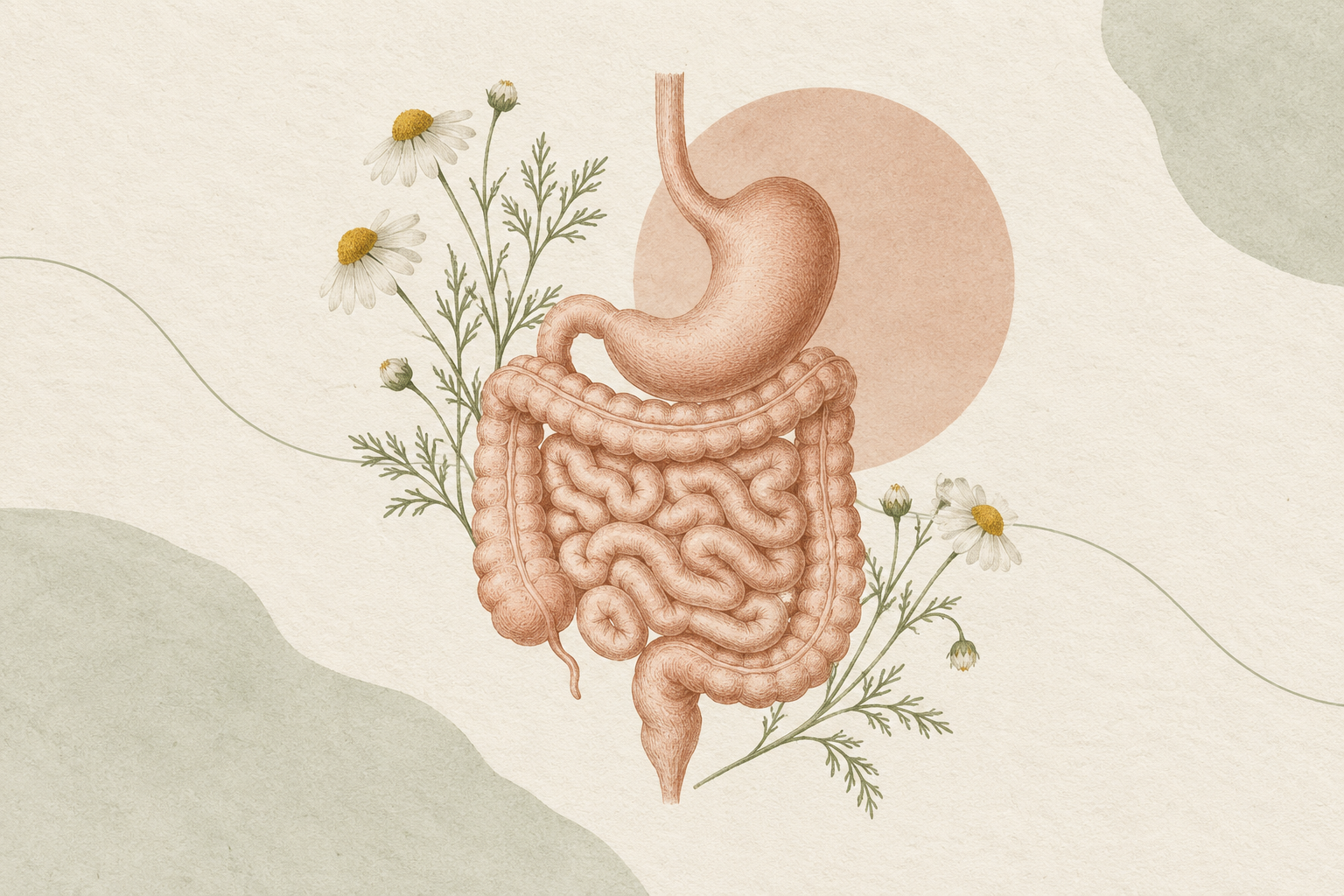
Meet the enteric nervous system, a network of neurons woven through the wall of the digestive tract. It helps coordinate functions such as movement and secretion locally while communicating with the brain and other parts of the nervous system.
Research is increasingly interested in how enteric neurons participate in sensing nutrients and shaping signals that ultimately travel along the gut–brain axis. A 2025 review specifically highlighted the enteric nervous system as an important but historically underappreciated part of nutrient sensing.4
Carries important sensory and regulatory signals between the brainstem and organs, including the upper gastrointestinal tract.
Coordinates a remarkable amount of digestive activity within the gut itself. Your intestines have staff.
Also carry gastrointestinal information to the central nervous system, including signals related to sensation and discomfort.
Join the conversation too. Gut–brain communication is a network, not a single wire.
So What Does “Rest and Digest” Really Mean?
“Rest and digest” is common shorthand for parasympathetic nervous-system activity. The parasympathetic system helps regulate functions associated with maintenance, recovery and digestion, and vagal pathways are a major part of that physiology.
But your body does not contain two enormous switches labeled PANIC and DIGEST PERFECTLY.
Fortunately. We would misplace one of them.
Sympathetic and parasympathetic activity shift constantly as your body responds to posture, movement, food, sleep, temperature, pain, emotion and countless other inputs. Digestion does not completely shut down because you had a stressful morning. Nor does a single long exhale instantly put every gastrointestinal function into an ideal state.
The oversimplified version
“Stress turns digestion off. Activate your vagus nerve before every meal or your body cannot digest properly.”
The more accurate version
Autonomic state can influence gastrointestinal movement, secretion, sensation and signaling, but digestion is regulated by multiple interacting systems. You do not need perfect calm to eat.
Why Stress Can Still Show Up in Your Stomach
The fact that “rest and digest” gets oversimplified does not make the gut–brain connection imaginary.
Disorders of gut–brain interaction are recognized gastrointestinal conditions in which communication and regulation between the gut and brain can contribute to symptoms such as abdominal pain, bloating, nausea, early fullness, constipation and diarrhea. Cleveland Clinic’s 2026 overview notes that altered movement, increased gut sensitivity, gut-barrier changes, microbiome differences and central nervous-system involvement may all contribute.5
Stress can change how strongly gastrointestinal sensations are perceived and can influence gut movement and behavior around food. Meanwhile, digestive symptoms themselves can increase stress. The traffic goes both ways.
That is also why “it might be stress” should never become “it is all in your head.” Your brain is part of your body. So are your intestines. They did not agree to separate departments just because wellness Instagram needed a cleaner infographic.
Already dealing with stress-related stomach symptoms?
We have a separate guide on why stress can make your stomach hurt. This article stays focused on the vagus nerve, mealtime context and what “rest and digest” actually means.
What the Research Says About Vagus Nerve Stimulation
There is legitimate medical research on vagus nerve stimulation (VNS). That does not mean every humming exercise or ear gadget on social media has been clinically proven.
A 2025 systematic review evaluated randomized controlled trials of non-invasive vagus nerve stimulation in gastrointestinal disorders including functional dyspepsia, IBS and inflammatory conditions.6
The review found symptom improvement in several studied groups, but the studies used different devices, conditions and outcome measures.
The authors emphasized small sample sizes and the need for larger, better-designed trials before defining VNS’s place in routine gastrointestinal treatment.6
That distinction matters. A medical or research-grade electrical stimulation protocol is not interchangeable with “hum for thirty seconds and cure your gut.”
Do you need to “activate” your vagus nerve before eating?
No dramatic activation ceremony is required.
Breathing comfortably, reducing stimulation and giving yourself a moment to transition into a meal may feel supportive. Those practices can be worthwhile without claiming they are treating IBS, gastroparesis, reflux or another gastrointestinal condition.
If you have persistent digestive symptoms, the goal is not to become better at hacks. The goal is to understand what is causing the symptoms and get appropriate care.
A 90-Second Pre-Meal Arrival
This is not a medical treatment. It is simply a small transition between doing everything and eating something.
Try this before one meal
Give your body ninety seconds to catch up with your plate
- Put down one source of input. Your phone is the obvious volunteer.
- Unclench something. Jaw, shoulders, hands or belly. You do not need to become a puddle.
- Take a few comfortable breaths. If it feels pleasant, let the exhale become slightly slower. No heroic lung capacity required.
- Notice what is actually true. Hungry? Ravenous? Nauseated? Already full? Distracted? Information is more useful than judgment.
- Eat the first few bites without multitasking. Not necessarily the entire meal. We are keeping expectations civilized.

Small Mealtime Changes That Do Not Become Homework
Turn down a loud television, clear one visual distraction or sit somewhere that feels a little less chaotic.
A warm meal or drink can be comforting. It does not need a neuroscience résumé to earn its place at the table.
Chew comfortably. Taste your food. There is no prize for reaching an internet-approved bite count.
For some people, very long gaps between meals can make nausea, shakiness or rushed eating worse. Individual needs vary.
Sleep, stress, medications, meal timing and specific foods can all matter. Look for repeatable context before blaming one ingredient.
You are allowed to eat while stressed. You do not have to earn digestion by achieving inner peace first.
What About Humming, Gargling, Cold Water and Other “Vagus Hacks”?
Some everyday behaviors can influence breathing, heart rate, vocalization or sensory input, and researchers are studying non-invasive ways to stimulate vagal pathways. That is interesting science.
It is not permission to turn every pleasant behavior into a medical claim.
If humming helps you settle while making dinner, hum. If singing in the car changes your mood, enjoy it. If an ice-cold shower makes you miserable before breakfast, the vagus nerve has not issued a subpoena.
The safest framing is simple: use low-risk practices because they feel supportive, not because a reel promised they would “reset” a complex cranial nerve or treat a digestive disease.
Warmth, Quiet and the Sensory Side of Eating
Several of the original Anatomy of a Calm Gut ideas centered on warm drinks, softer lighting, less phone use and making meals feel less rushed. I like that direction when we keep the claims grounded.
A quieter room may make it easier to pay attention to hunger and fullness. A warm drink may feel soothing. Sitting down may feel more comfortable than eating while walking around the kitchen collecting everyone else’s cups.
None of those experiences needs to be labeled “vagus activation.”
Sometimes tea is helpful because it is warm tea.
Science will recover from this revelation.

“Vagal Tone” Is Not a Report Card
You may see people online describing themselves as having “low vagal tone,” often based on stress, digestive symptoms or a consumer wearable.
Autonomic physiology is more complicated than that. Heart-rate variability can be useful in certain research and clinical contexts, but a wearable score is not a diagnosis of vagus-nerve damage, and feeling stressed does not prove that your vagus nerve is malfunctioning.
You are a whole physiological system.
Not a Wi-Fi router with one weak connection.
What Actually Supports the Gut–Brain Conversation Long Term?
The answer is less glamorous than a hack, which is usually a promising sign.
Regular, adequate nourishment gives the digestive system something more useful to work with than wellness anxiety.
Plant foods can support the microbiome and overall digestive health, but individual tolerance matters—especially with active GI symptoms.
Both affect stress regulation and overall health. They do not have to be perfect to be useful.
Reflux, IBS, inflammatory bowel disease, celiac disease, gastroparesis and other conditions deserve condition-specific evaluation and treatment.
If sensory overload is part of what makes meals feel chaotic, you may also like Overcoming Overstimulation: A Practical Guide for Sensitive Souls and Sensory Diet for Adults: Creating a Calming Environment.
When Digestive Symptoms Need More Than a Reset
Do not assume persistent or worsening gastrointestinal symptoms are simply related to stress or autonomic state. Contact a healthcare professional for symptoms that are recurring, disruptive or concerning.
Seek prompt or urgent medical care when appropriate for symptoms such as:
- severe or rapidly worsening abdominal pain;
- blood in vomit or stool, or black/tarry stool;
- persistent vomiting or inability to keep fluids down;
- significant dehydration, fainting or marked weakness;
- unexplained weight loss or persistent loss of appetite;
- difficulty swallowing;
- fever with significant abdominal pain;
- yellowing of the skin or eyes; or
- symptoms that repeatedly wake you from sleep or substantially disrupt daily life.
Pregnancy, recent surgery, immune suppression and known gastrointestinal disease can change what requires urgent evaluation.
The Lifvyt Takeaway
Your brain and digestive tract have been communicating since long before someone gave the relationship a pastel infographic.
The vagus nerve is an important part of that conversation. It is not the entire conversation, and it is not a wellness button you are failing to press correctly.
So instead of trying to “hack” digestion, start smaller.
Put the phone down for the first few bites.
Unclench your jaw.
Notice whether you are hungry.
Let the meal be the only task for ninety seconds.
Your inbox will survive.
Probably.
Next in the series
Your Gut Is an Ecosystem
Part 2 of The Anatomy of a Calm Gut will look at the microbiome, gut barrier and enteric nervous system—without turning every microbe into a tiny life coach.
For now, continue with Why Stress Makes Your Stomach Hurt.
Sources & Further Reading
- Wang Y, et al. Vagus Nerve and Gut-Brain Communication. The Neuroscientist. 2025.
- Review: Vagal Sensory Gut-Brain Pathways That Control Eating—Satiety and Beyond. 2025.
- Nature Reviews Gastroenterology & Hepatology. Gut-brain communication: types of sensory nerves and mechanisms of activation. 2025.
- FASEB Journal. The Enteric Neuronal Circuitry: A Key Ignored Player in Nutrient Sensing Along the Gut-Brain Axis. 2025.
- Cleveland Clinic. Disorders of Gut-Brain Interaction (DGBIs). Medically reviewed; updated 2026.
- Veldman F, Hawinkels K, Keszthelyi D. Efficacy of vagus nerve stimulation in gastrointestinal disorders: a systematic review. Gastroenterology Report. 2025.
This Lifvyt article is provided for general educational and informational purposes only. It is not medical advice, diagnosis, treatment or prescribing and does not establish a clinician–patient relationship. References to stress, vagal signaling, parasympathetic activity or gut–brain communication do not mean that persistent digestive symptoms should be assumed to be caused by stress.
Digestive symptoms can arise from many conditions, including infections, medication effects, food intolerances, reflux, ulcers, gallbladder disease, inflammatory bowel disease, celiac disease and other medical problems. Do not stop, replace or change prescribed treatment because of this article. Before using a vagus-nerve stimulation device, supplement, concentrated herbal product or other therapeutic intervention, consult an appropriately qualified healthcare professional—especially during pregnancy or breastfeeding, for a child, before surgery, with a medical condition or alongside prescription medication.
Seek appropriate medical care for severe, persistent, worsening or unusual symptoms rather than relying on a nervous-system practice or this website.
The Sunday Soft Reset
A calmer start to your week.
Get Lifvyt’s weekly collection of gentle wellness reads, nervous-system resets and practical tools — plus the free 5-Minute Nervous System Reset Guide.
By signing up, you’ll receive the free guide and one gentle Lifvyt email each week. Unsubscribe anytime.