
Lifvyt Journal
Sensory Diet for Adults: Creating a Calming Environment
A nurse-informed guide to building small sensory supports into your home, workday, and daily rhythm.

A Sensory Diet for Adults Is Not About Food
A sensory diet for adults is a gentle plan for giving your nervous system the sensory input it needs to feel steadier.
It is not a meal plan. It is not a strict routine. It is not another wellness rule to keep up with when you are already tired.
It is a way of asking: What does my body need more of, less of, or differently today?
Some days, the room itself feels loud.
The overhead light hums. The phone keeps lighting up. Someone is talking from another room. Your clothes feel wrong. The chair feels too hard. The candle smells stronger than it did yesterday.
Nothing “bad” is happening. Still, your body starts bracing.
That is the thing about sensory overload. It does not always arrive as a dramatic moment. Sometimes it builds quietly, one sound, texture, smell, light, and interruption at a time.
The Quiet Truth
Your environment is not neutral. It is always speaking to your nervous system.
What Is a Sensory Diet for Adults?
A sensory diet is a planned set of sensory supports used throughout the day.
For adults, that may include sound, light, movement, pressure, texture, scent, temperature, and visual space.
The goal is not to avoid every uncomfortable sensation. That would be impossible.
Instead, the goal is to create enough regulation that your body has more capacity for daily life.
Sensory overwhelm can show up physically. Breathing may become shallow. Muscles may tense. Irritability may rise. Focus may drop. For some people, sensory input is not just “annoying.” It becomes a real body signal that the nervous system is reaching its limit.
Why Adults Need Sensory Support Too
Sensory support is often discussed for children, especially in occupational therapy settings.
However, adults have sensory systems too.
Adults work under fluorescent lights. Sit through loud meetings. Commute through traffic. Parent in noisy homes. Scroll through bright screens. Sleep beside glowing devices. Wear scratchy uniforms. Answer messages before the body has even had breakfast.
Over time, the body notices.
Research on autistic adults in public spaces has shown that sensory environments can either disable or support daily participation. Factors such as predictability, space, sensory load, adjustments, and recovery matter.

Signs Your Sensory System May Be Overloaded
Sensory overload can look different from person to person.
One adult may feel irritable. Another may shut down. Someone else may become scattered, restless, tearful, or suddenly desperate to be alone.
The key is noticing your pattern.
Sensory Overload May Feel Like:
Lights feel too bright.
Small sounds feel sharp.
Clothing tags or fabric become distracting.
Messy spaces make it harder to think.
Strong smells feel overwhelming.
Your body feels tense for no clear reason.
You want pressure, quiet, movement, or darkness.
You feel “done” long before the day is over.
This does not mean you are difficult.
It may mean your body is receiving more input than it can comfortably organize in that moment.
The First Step Is Sensory Awareness
Before changing your environment, watch what your body already tells you.
Notice where you feel relief. Notice where you tense. Notice what makes you snap, freeze, leave the room, scroll, snack, or mentally disappear.
Your sensory needs may change by the day.
That is normal. A stressful week, poor sleep, hormones, illness, hunger, or emotional strain can all lower sensory tolerance.
The nervous system takes in information from the world and the body. Light, sound, touch, movement, smell, temperature, and internal sensations all become part of the brain’s safety picture. When the input feels like too much, the body may shift toward stress.
How to Build a Sensory Diet for Adults
Start small.
A sensory diet for adults should fit real life. It should work in a bedroom, car, office, break room, bathroom stall, kitchen, or busy living room.
You do not need a full sensory room. You need a few reliable cues.
Ask These Three Questions
What input do I need less of? Noise, light, clutter, smell, screen time, or interruptions.
What input do I need more of? Pressure, movement, fresh air, warmth, silence, softness, or rhythm.
What input helps me return? A walk, weighted blanket, headphones, dim lighting, music, stretching, or a quiet corner.
Sensory Support 1: Light
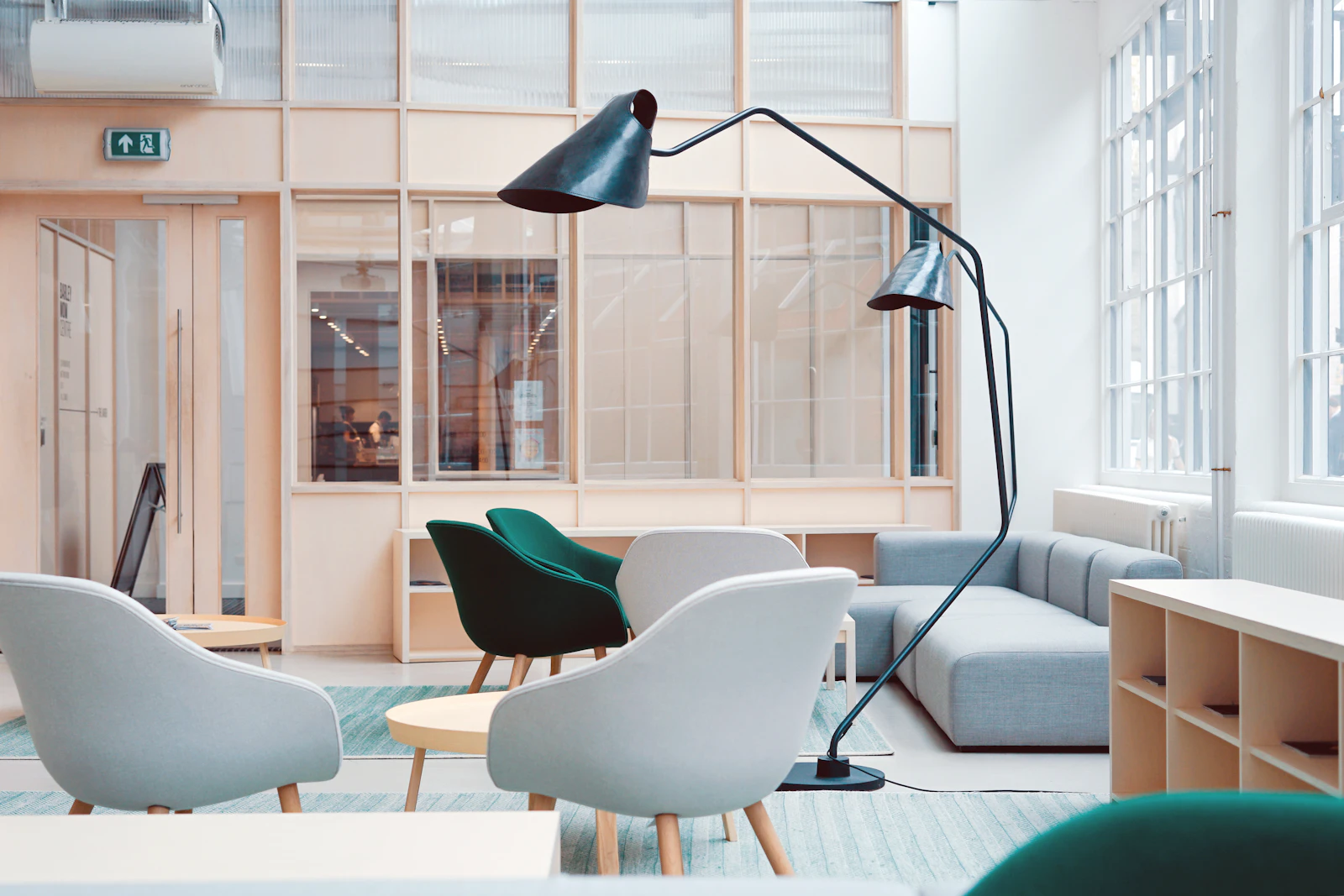
Light changes the nervous system quickly.
Bright overhead light can feel energizing for some people. For others, it feels harsh and draining.
If light is one of your triggers, try softer lamps, warmer bulbs, natural light, or dimmer settings when possible.
Try This
Turn off one overhead light.
Use one warm lamp in the evening.
Open curtains in the morning.
Lower screen brightness after dinner.
Keep sunglasses nearby if bright spaces drain you.
Sensory Support 2: Sound
Sound can become a hidden stressor.
A television in the background, phone pings, appliances, traffic, children playing, and overlapping conversations can stack quickly.
Reducing sound is not always possible. However, small changes can still help.
Sound Options for a Sensory Diet
Noise-reducing earbuds.
Soft instrumental music.
Brown noise or rain sounds.
Ten minutes with no background audio.
A quiet “reset spot” in your home or car.
Sensory Support 3: Touch and Texture
Touch can calm or irritate the body.
Scratchy tags, tight waistbands, stiff fabrics, dry skin, or uncomfortable seating can quietly raise tension all day.
On the other hand, soft textures can give the body a signal of comfort.
Texture Swaps
Choose soft lounge clothes after work.
Remove irritating tags.
Keep a soft blanket near your resting place.
Use lotion if dry skin makes you feel tense.
Try a smooth stone, fabric pouch, or small fidget object during stressful moments.
Sensory Support 4: Pressure
Many adults find deep pressure calming.
This may look like a weighted blanket, firm pillow, compression clothing, a tight hug from someone safe, or pressing your feet into the floor.
Pressure can help the body feel contained.
However, it should always feel comfortable. Avoid weighted items if they feel restrictive, unsafe, too hot, or medically inappropriate for you.
“A calming environment is not always quiet. Sometimes it is simply a place where your body no longer has to defend itself from every direction.”
Sensory Support 5: Movement
Some nervous systems settle with stillness. Others need movement first.
If sitting still makes you feel more agitated, your body may need a little motion before it can rest.
Try walking, stretching, rocking, swaying, shoulder rolls, or slowly shaking out your hands.
Two-Minute Movement Reset
Stand up.
Roll your shoulders five times.
Turn your head slowly side to side.
Shake out both hands.
Take three slow breaths before sitting again.

Sensory Support 6: Smell
Scent is powerful.
For some people, essential oils, candles, or fresh laundry smell calming. For others, scent quickly becomes too much.
There is no universal “relaxing smell.”
Your sensory diet should respect your body’s answer.
Scent Check-In
Does this smell make me soften?
Does it make my head hurt?
Does it feel comforting or invasive?
Would unscented feel better today?
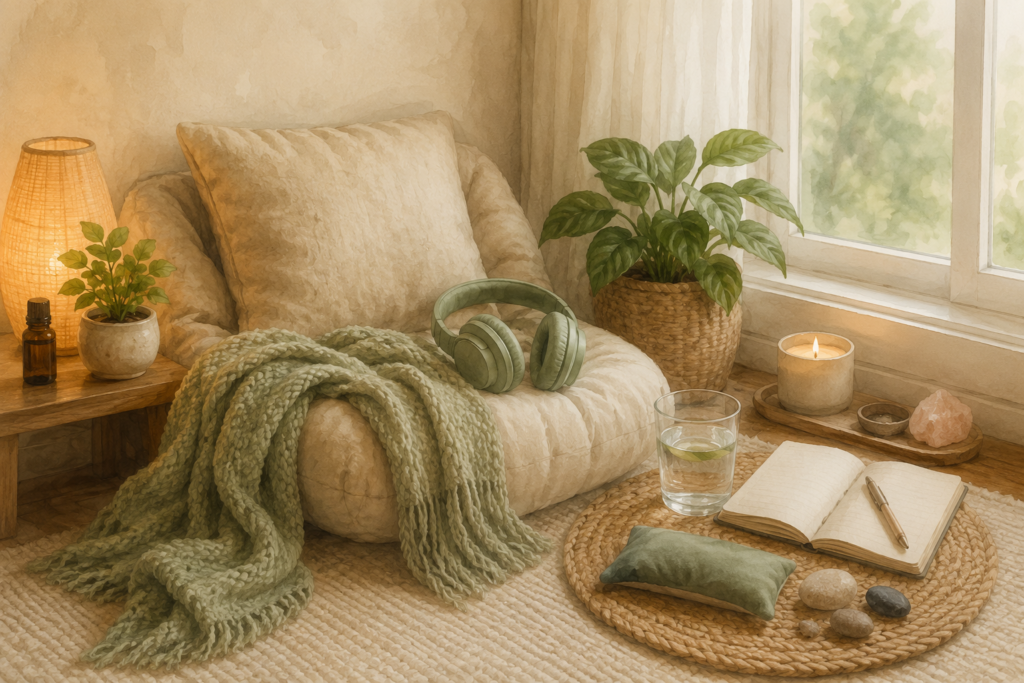
Creating a Calming Environment at Home
A calming environment does not have to be beige, expensive, or perfectly decorated.
It needs to reduce the amount of sensory work your brain has to do.
Start with one area. A nightstand. A chair. A corner of the couch. A bathroom shelf. The driver’s seat of your car.
Then ask what that space is saying to your body.
The Calming Corner Formula
One soft texture: blanket, pillow, robe, or sweater.
One visual anchor: plant, lamp, photo, candle, or art.
One sound choice: quiet, music, rain sounds, or headphones.
One body cue: footrest, weighted pillow, warm drink, or grounding object.
One boundary: no phone, no work, no multitasking, or no bright overhead light.
Creating a Sensory Diet at Work
Work environments are not always sensory-friendly.
You may not control the lights, noise, temperature, workload, or interruptions.
Still, you may be able to create small pockets of support.
Workday Sensory Supports
Keep water nearby.
Use noise-reducing earbuds when allowed.
Take a bathroom or hallway reset when overwhelmed.
Step outside for two minutes during a break.
Use a soft cardigan if temperature changes bother you.
Place one calming object where your eyes can rest.
Your Simple Adult Sensory Diet Menu
You do not need to do everything.
Choose one support from each category. Then test it for a week.
Build Your Menu
Morning: natural light, quiet coffee, or no phone for ten minutes.
Workday: headphones, water, movement break, or softer lighting.
After work: change clothes, wash hands slowly, or sit in quiet.
Evening: dim lights, reduce noise, soft texture, or screen boundary.
Emergency reset: cold water, pressure, grounding object, breath, or stepping outside.
When to Get Extra Support
Sensory tools can support daily life, but they are not a replacement for medical or mental health care.
If sensory overload is interfering with work, relationships, sleep, eating, safety, or basic daily function, consider speaking with a healthcare provider, therapist, or occupational therapist.
This is especially important if sensory overwhelm comes with panic attacks, trauma symptoms, severe anxiety, depression, or thoughts of harming yourself.
Support is not a failure. It is part of building a life your body can actually live inside.
Continue Your Journey
Explore More from Lifvyt
Browse gentle wellness resources, digital tools, and intentional living guides created to support calmer routines and everyday well-being.
Browse Our ProductsThe Lifvyt Closing Ritual
Tonight, do not redesign your whole home.
Notice one sensory signal.
One light that feels too bright.
One sound that follows you around.
One texture your body keeps rejecting.
One corner that could become softer.
Then change one thing.
Turn off the overhead light. Put on the softer shirt. Step outside. Lower the volume. Add the blanket. Move the phone.
A sensory diet for adults does not need to be complicated.
It begins when you stop forcing your body to tolerate everything and start building small places where it can exhale.
“Your environment can become part of your care.”
References
Centers for Disease Control and Prevention. “Managing Stress.” Updated 2026. Read source
Centers for Disease Control and Prevention. “Improve Your Emotional Well-Being.” Read source
Adams D, et al. “It Is a Big Spider Web of Things: Sensory Experiences of Autistic Adults in Public Spaces.” Published 2023. Read source
De Souza B, et al. “Indoor Environment Perception of People with Autism Spectrum Condition: A Scoping Review.” Published 2023. Read source
Disclaimer: This content is for educational and informational purposes only and is not a substitute for professional medical advice, diagnosis, or treatment. Always seek the advice of your physician or other qualified health provider with any questions you may have regarding a medical condition.
The Sunday Soft Reset
A calmer start to your week.
Get Lifvyt’s weekly collection of gentle wellness reads, nervous-system resets and practical tools — plus the free 5-Minute Nervous System Reset Guide.
By signing up, you’ll receive the free guide and one gentle Lifvyt email each week. Unsubscribe anytime.