

LIFVYT · EVERYDAY LIFE
That dented biscuit cutter in the drawer has survived three kitchens. You know who owns it now. Do you know whose hand bent the handle? That’s a much easier place to begin than asking someone to tell you their life story while the potatoes go cold.
Here’s how to save a family story on paper: pick one object, ask about one moment, then read back what you wrote. A neighbor or an old friend counts, too. You’ll need a pen, one sheet of paper and about fifteen minutes together.
November offers a good excuse. Since 2015, StoryCorps’ Great Thanksgiving Listen has invited people to record conversations with someone they admire. This is a smaller, private version you can do over coffee. Nothing needs to be recorded or uploaded.
1. Find the quiet end of the table
Catch someone when their hands are free. After breakfast might beat Thanksgiving dinner, especially if the person you want to talk to is also the person watching the oven. Sit where you can hear each other. Let them pick the object: a kitchen tool, a concert ticket or the key to a place they used to live.
2. Ask for a scene they can picture
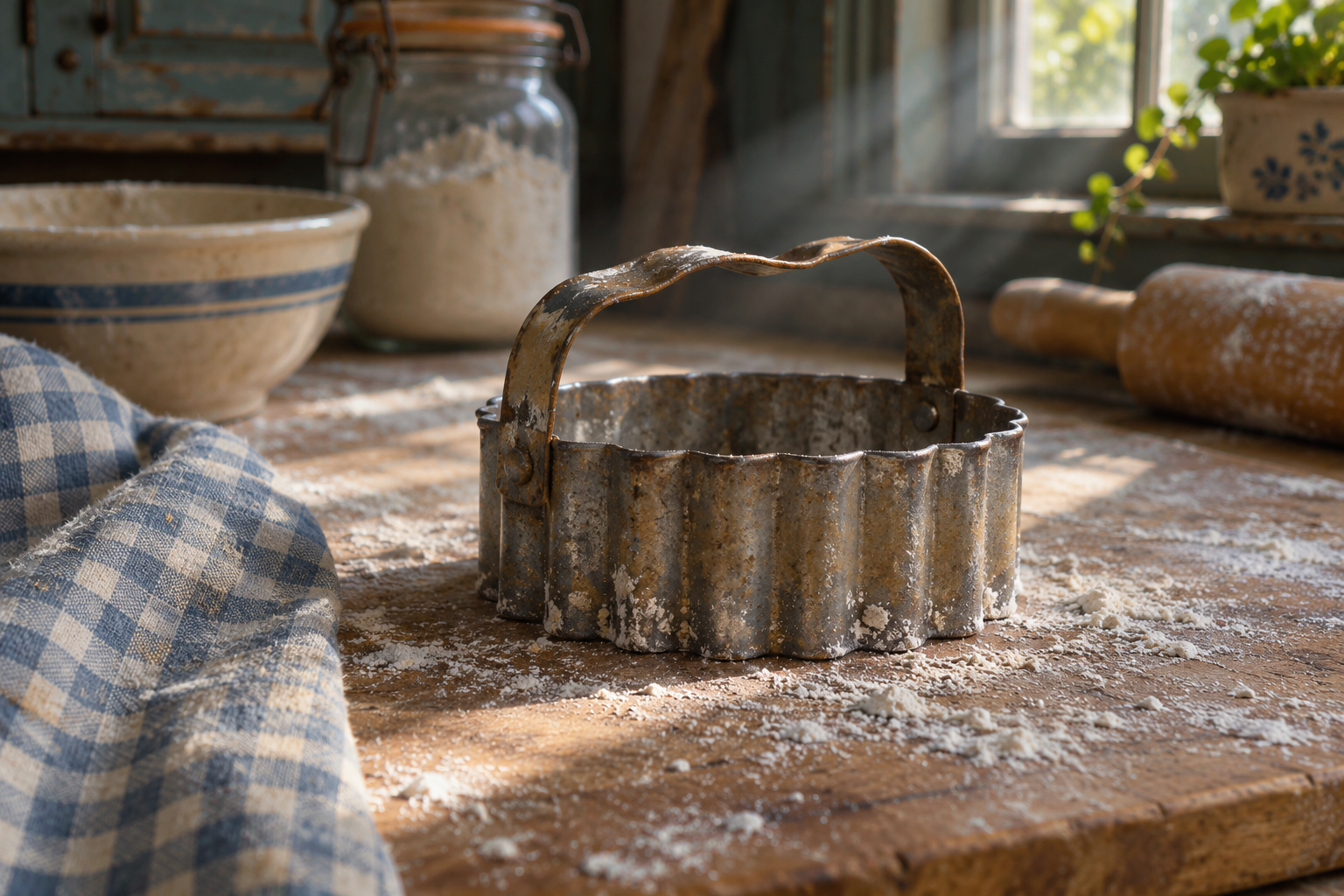
Pick one opening question. You can leave the other two on the page.
- For a kitchen tool: “Can you picture the last person you saw using this? What were they making?”
- For a ticket: “What happened between leaving home and finding your seat?”
- For an old key: “If I’d walked through that door with you, what would I have seen first?”
Listen for the detail you couldn’t have guessed. If they say, “We made biscuits on Saturdays,” try “Who got the scraps after you cut the rounds?” Then wait. If the date escapes them, leave it open. If the subject makes them uncomfortable, let them choose another or stop there.
3. Turn your notes into four lines
While they talk, jot down a name, a place and one telling detail. Then put the pen down. Once they finish, use those scraps to fill in the four lines below. Use quotation marks only for words you heard exactly and checked with them.
Who told it, and when: Aunt Jo, over breakfast this November.
Where and roughly when it happened: Her mother’s kitchen, when Jo was in grade school.
What happened: Her mother cut the rounds. Jo pressed the leftover dough into one enormous biscuit and knew which one was hers when the pan came out.
What’s still unknown: Nobody remembers how the handle got bent.
The bent handle got the conversation going; the giant biscuit is the part worth keeping. Give your page a title you’d recognize in a drawer: Jo’s Last Biscuit beats Interview No. 1.
4. Read it back before you tuck it away
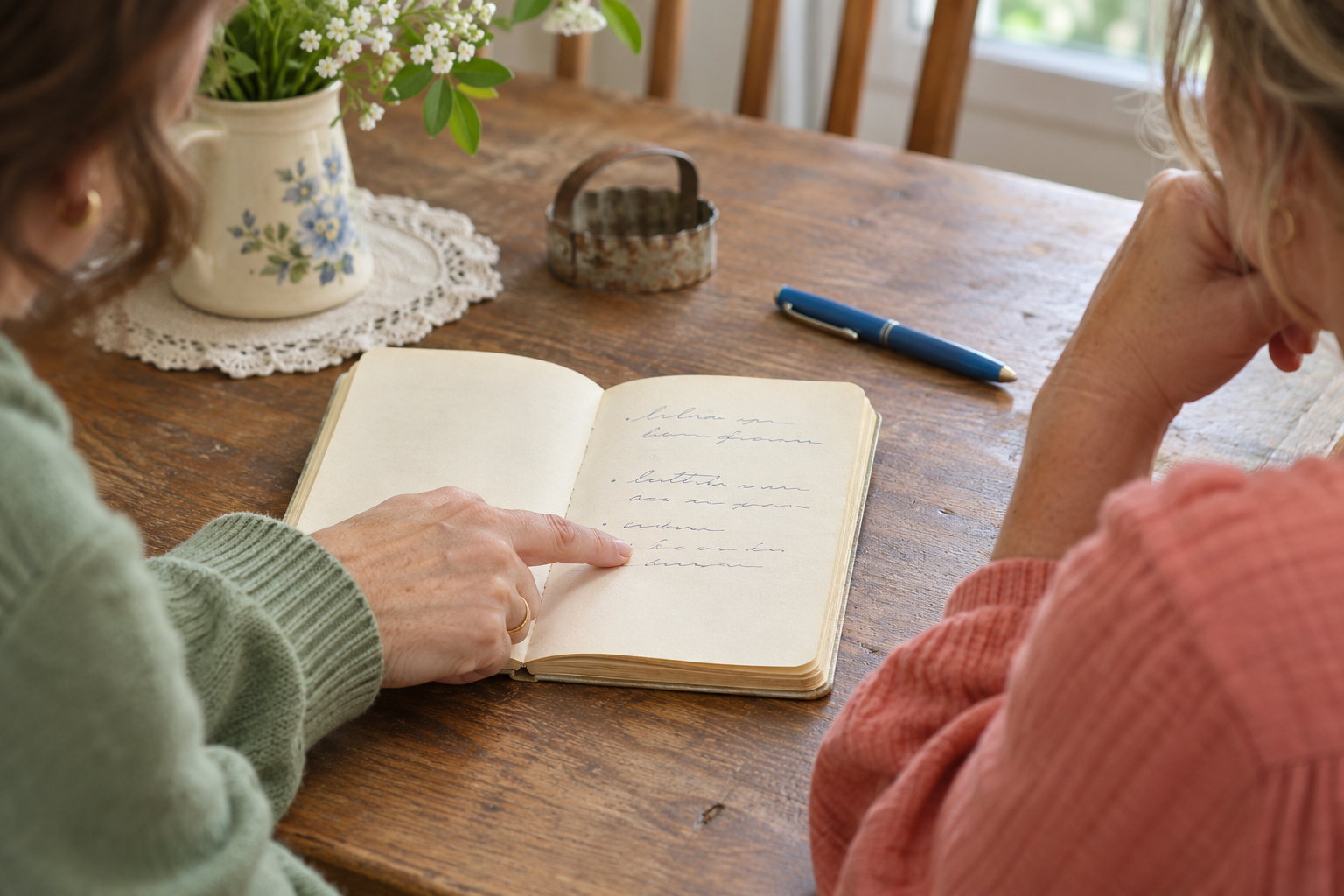
Ask, “Did I get that right? Anything you’d change or leave out?” If it was actually Jo’s brother who claimed the scraps, cross it out and fix it there. If two people remember the same morning differently, give each version its own line with the teller’s name.
Agree on who gets a copy. “Just us” means the notebook stays private, including from the family group chat. That distinction follows a useful principle from the Oral History Association: the person sharing a memory should understand how it will be used.
If you’re spending the holiday solo
Choose an object of your own. Write about the first meal you cooked in your first apartment, right down to what you used because you didn’t own a colander. Date the page. For more starting points, try LIFVYT’s beginner journaling guide. If you’d like one place to keep little passages like these, here’s how to start a commonplace book.
One remembered Saturday is enough for one page. Slide it into the recipe box or hand it back across the table. Whoever keeps it now knows why the last biscuit was always the biggest.
Privacy note: The sample is invented. Let each storyteller decide which names and details belong on their own page.
The Sunday Soft Reset
A calmer start to your week.
Get Lifvyt’s weekly collection of gentle wellness reads, nervous-system resets and practical tools — plus the free 5-Minute Nervous System Reset Guide.
By signing up, you’ll receive the free guide and one gentle Lifvyt email each week. Unsubscribe anytime.