

Lifvyt Journal · The Sleep Rhythm Edition
Why Your Sleep Is Broken (and How to Fix Your Circadian Rhythm)
You may not need a perfect bedtime routine. Your body may simply need clearer clues about when the day begins and when it is safe to power down.

To fix your circadian rhythm, start by noticing when your body receives “morning” and “night” signals. Your internal clock cannot read the time on your phone. Instead, it reads light, darkness, movement, food, routine, and temperature.
That system works beautifully until modern life starts sending mixed messages. A dim morning can tell the brain to stay sleepy. Bright light at 11 p.m. can say the day is still going. Meanwhile, late caffeine, rotating shifts, weekend sleep-ins, stress, alcohol, and midnight scrolling add more noise.
The result can feel personal. You may lie awake when you finally have time to rest. Then the alarm feels violent in the morning. By afternoon, you need caffeine to function. At night, a strange second wind appears, and the whole pattern begins again.
However, a disrupted clock is only one possible cause of poor sleep. Pain, menopause symptoms, anxiety, depression, medication effects, reflux, restless legs, sleep apnea, and chronic insomnia can also break up the night. This guide will help you reset everyday timing cues. It will also show you when a routine is not enough.
If you want to fix your circadian rhythm, the goal is not to control every minute. Instead, you are creating a few reliable landmarks that your body can recognize each day.
What Your Circadian Rhythm Actually Does
Your circadian rhythm is a set of physical, mental, and behavioral changes that follows a roughly 24-hour cycle. The body has clocks in many tissues. Still, a master clock in the brain helps coordinate the daily pattern.
According to the National Institute of General Medical Sciences, light and dark have the strongest influence on circadian rhythms. Food, stress, activity, social life, and temperature also matter.
Darkness usually allows melatonin to rise in the evening. Melatonin helps signal that biological night has arrived. Morning light does the opposite. It helps quiet that nighttime signal and supports alertness.
Sleep also depends on pressure that builds while you are awake. Think of it as a gentle hunger for sleep. A long or late nap can reduce that pressure. So can sleeping far into the morning. By bedtime, you may feel tired from life but not biologically ready to sleep.
Sleep Needs Two Things to Line Up
Sleep pressure asks, “How long have I been awake?”
Your circadian clock asks, “Is this the biological time for sleep?” A good night becomes easier when both answers point toward bed.
Why Your Sleep Can Feel Broken
Your Wake Time Changes Too Much
Bedtime gets most of the attention. Yet wake time gives the clock a powerful daily anchor. If you wake at 6 a.m. during the week and 10 a.m. on Sunday, Monday morning can feel like a small trip across time zones.
Researchers often call this mismatch social jet lag. Your social schedule demands one time zone while your body lives in another. Sleeping late may feel like recovery, especially after a hard week. Unfortunately, a large shift can make Sunday-night sleep harder. Therefore, a steadier wake time is one of the simplest ways to fix your circadian rhythm.
Your Mornings Are Too Dark
Many adults wake before sunrise, get ready under indoor light, drive to work, and spend the day inside. Their eyes may not receive a strong daytime cue for hours. Consequently, alertness can arrive late.
Morning outdoor light is usually brighter than ordinary room light, even on a cloudy day. It reaches special light-sensitive cells in the eye and helps set the clock. You do not need to stare at the sun. In fact, never do that. Simply being outside or near strong natural daylight can provide a clearer morning signal.
Your Evenings Still Look Like Daytime
Bright overhead lighting, televisions, phones, tablets, and bathroom lights can extend the visual day. The problem is not one evil screen color. Brightness, timing, distance, duration, and individual sensitivity all shape the effect.
The National Heart, Lung, and Blood Institute identifies light as the strongest environmental signal for resetting the sleep-wake cycle. Therefore, a dimmer final hour can help. A phone in night mode may feel softer. However, it does not turn a stimulating hour of scrolling into darkness.
Caffeine and Alcohol Are Rearranging the Night
Caffeine blocks some of the sleepiness you would normally feel as sleep pressure builds. Its effects can last for hours. Therefore, an afternoon coffee may still matter at bedtime, even if you can fall asleep after drinking it.
You do not have to quit coffee to fix your circadian rhythm. First, test an earlier stopping point. Then notice whether sleep begins more easily or feels less fragmented.
Alcohol creates a different trap. It may make you drowsy at first. Later, however, sleep can become lighter and more fragmented. It can also worsen snoring and sleep-disordered breathing. A nightcap may shorten the wait for sleep while lowering the quality of the hours that follow.
Your Nervous System Has Not Ended the Day
Sometimes the clock is not the loudest problem. The body may still be replaying a stressful shift, tracking unfinished tasks, or waiting for the next child to wake. You can be deeply tired and highly alert at the same time.
In that case, strict sleep rules can create more pressure. Try a bridge instead. Lifvyt’s seven evening rituals for a wired mind can help you close the mental tabs before bed. If your whole system feels depleted, begin with Why You’re Always Tired.
How to Fix Your Circadian Rhythm Gently
A circadian reset works better as a series of repeated cues than as one dramatic night. To fix your circadian rhythm, do not force an unrealistically early bedtime and then lie awake for three hours. Start with the morning. The evening often follows.
The Lifvyt Seven-Day Circadian Reset
- Choose one wake time. Pick a time you can keep most days. For the first week, aim to stay within about one hour on days off. If you are severely sleep-deprived, protect enough time for sleep instead of cutting the night short.
- Find daylight after waking. Open the curtains right away. Then, when safe and practical, spend a little time outdoors during the first part of your morning. Cloudy light still counts. The exact amount needed varies with weather, season, timing, and health.
- Add gentle morning movement. Walk to the mailbox, stretch near a bright window, or take a short outdoor walk. Movement adds another daytime cue. It also helps separate waking from scrolling in bed.
- Eat on a steadier pattern. Meals also give timing information to the body. You do not need a rigid food schedule. However, wildly changing meal times and heavy meals close to bed can make the rhythm feel less settled.
- Set a caffeine boundary. Notice when you want to sleep. Then move your last caffeine earlier. The CDC advises avoiding caffeine in the afternoon or evening. Sensitive sleepers may need a longer gap.
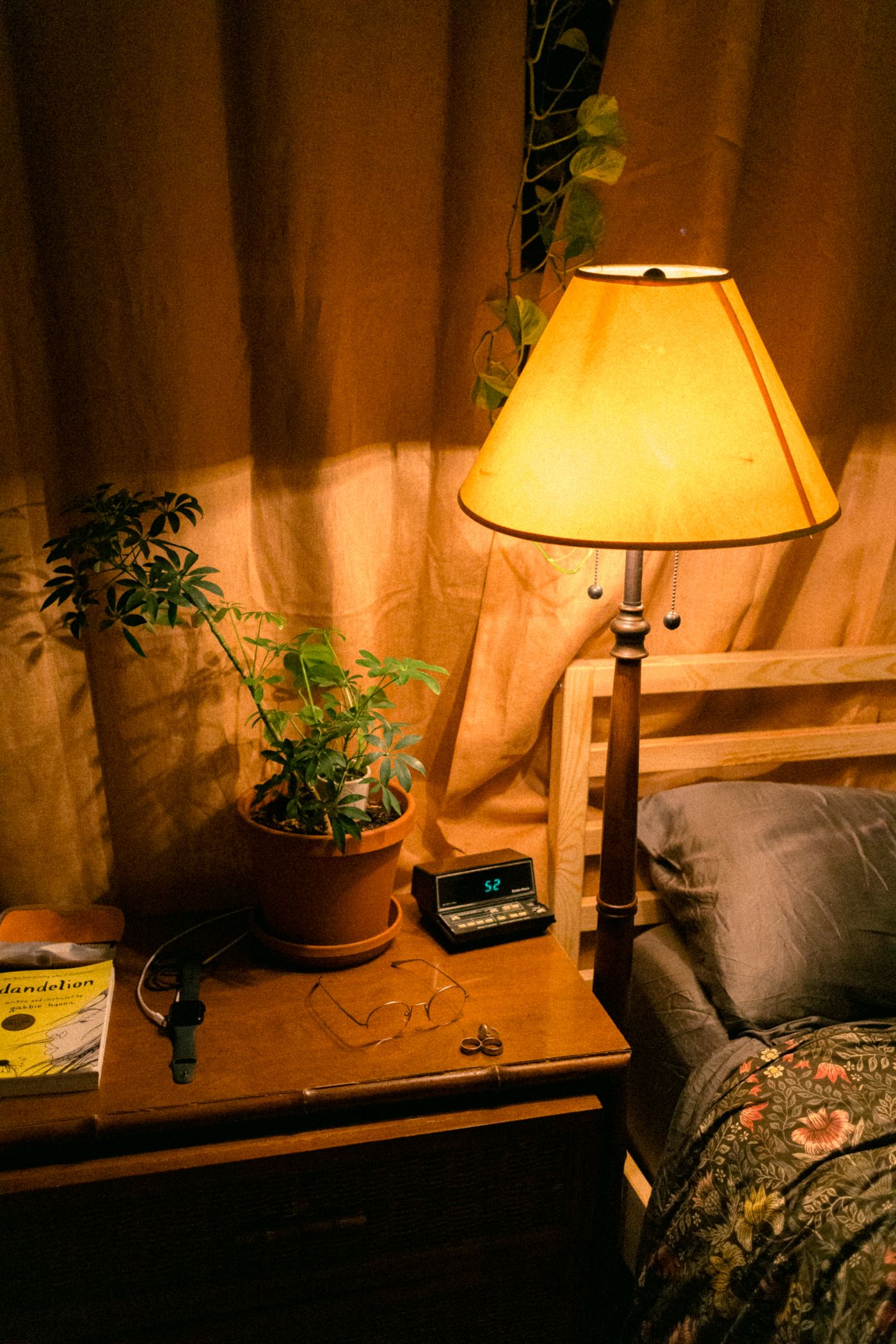
- Dim the final one to two hours. Turn off unnecessary overhead lights. Lower screen brightness. Choose a small lamp, an audio option, paper reading, stretching, or a shower. The goal is not sensory perfection. It is a clear change from daytime.
- Go to bed when sleepy. Heavy eyelids, repeated yawning, and losing your place while reading are useful clues. If you are still wide awake, do something quiet in dim light. Return when sleepiness arrives.
Keep brief notes during the week. Record your wake time, outdoor light, last caffeine, naps, bedtime, and how you felt the next day. This approach is more useful than judging the plan after one rough night.

What If You Work Nights or Rotating Shifts?
Shift workers face a real biological conflict. Your job may require alertness when the clock expects sleep. Then daylight arrives during the trip home. A basic “wake with the sun” plan does not fit that reality.
Instead, protect a main sleep window as consistently as your schedule allows. Keep the room dark, cool, and quiet. Consider an eye mask, room-darkening shade, white noise, and a household agreement about interruptions. Bright light may support alertness during a night shift. Meanwhile, reducing light on the way home may help protect daytime sleep. For a shift worker, the safest way to fix your circadian rhythm may look very different from a daytime worker’s plan.
Timing matters, though. Light used at the wrong biological time can push the clock in an unwanted direction. The CDC’s training for nurses and shift workers offers practical guidance. A sleep specialist can also design a plan around your actual rotation.
Melatonin Is a Timing Tool, Not a Knockout Switch
Melatonin is often treated like a general sleep pill. Yet your body naturally makes melatonin as part of its nighttime signal. A supplement may help in certain circadian situations. However, the timing can matter as much as the amount.
Taking it at a random hour may cause morning drowsiness or move the clock in the wrong direction. In addition, supplement contents do not always match research products. The National Center for Complementary and Integrative Health reports that short-term use appears safe for most people. Still, long-term safety remains uncertain.
When Broken Sleep Needs Medical Attention
A circadian routine cannot open a blocked airway, treat iron deficiency, stop severe hot flashes, or resolve every cause of insomnia. Therefore, seek professional care when poor sleep continues, worsens, or affects driving, work, mood, or safety.
Signs to Bring to a Healthcare Professional
- Loud, frequent snoring with choking, gasping, or pauses in breathing.
- Severe daytime sleepiness, especially while driving or working.
- An urge to move the legs with crawling or uncomfortable feelings at night.
- Trouble sleeping at least three nights a week for about three months.
- Sleep problems linked to depression, panic, trauma, pain, medication, or substance use.
- A sleep schedule that stays severely delayed or advanced despite consistent changes.
The NHLBI lists loud snoring, gasping, and breathing that stops and restarts among the signs of sleep apnea. Women may also report fatigue, headaches, or insomnia. Do not assume that a wearable can rule the condition out.
For chronic insomnia, cognitive behavioral therapy for insomnia, often called CBT-I, is different from generic sleep hygiene. It works on the habits, thoughts, timing, and learned alertness that keep insomnia going. Ask a healthcare professional whether CBT-I or a sleep evaluation fits your symptoms.
How Long Does It Take to Fix Your Circadian Rhythm?
There is no universal timeline to fix your circadian rhythm. A mild weekend drift may improve after several consistent days. Jet lag, delayed sleep timing, rotating shifts, seasonal light changes, or long-standing insomnia can take longer.
Progress may show up quietly. You start yawning earlier. Waking feels less punishing. The afternoon crash softens. Perhaps you still wake once, but you return to sleep faster. Those changes count.
Most importantly, do not turn sleep into a nightly performance review. The clock responds to patterns, not perfection. A late dinner, sick child, difficult shift, or restless night does not erase the week. Return to your wake time, daylight, movement, and dimmer evening when real life allows.
Circadian Rhythm Questions People Often Ask
Should I wake at the same time after a bad night?
A steady wake time can support your rhythm. However, safety and adequate sleep still matter. Do not drive when dangerously sleepy. If poor nights keep repeating, get help instead of using chronic sleep loss as a reset method.
Can I fix my circadian rhythm by staying awake all night?
An all-nighter increases sleep pressure. However, it also impairs attention, mood, and reaction time. The result may not last. A gradual plan built around wake time and correctly timed light is usually gentler and safer.
Are naps bad for a sleep reset?
Not always. A short, earlier nap may help when you are truly sleep-deprived. Still, long or late naps can reduce bedtime sleep pressure. Track how your own night changes after a nap.
Do blue-light glasses fix a broken sleep schedule?
They may reduce some evening light exposure, depending on the lenses. Yet they cannot replace morning daylight, a steadier wake time, or lower overall brightness. Think of them as one possible tool, not the whole reset.
What is the first step to fix your circadian rhythm?
Choose a realistic wake-time range and find daylight during the first part of your day. Repeat those cues for a week before adding a complicated routine.
Your Gentle Next Step
Build an Evening That Does Not Ask Too Much
If your brain stays busy after your body gets tired, begin with one low-pressure closing ritual. You do not need a ten-step routine to tell the day it is ending.
Try the Evening RitualsSources and Further Reading
National Institute of General Medical Sciences. Circadian Rhythms.
National Heart, Lung, and Blood Institute. Circadian Rhythm Disorders: Treatment.
Centers for Disease Control and Prevention. About Sleep.
National Center for Complementary and Integrative Health. Melatonin: What You Need to Know.
National Heart, Lung, and Blood Institute. Sleep Apnea Symptoms.
The Sunday Soft Reset
A calmer start to your week.
Get Lifvyt’s weekly collection of gentle wellness reads, nervous-system resets and practical tools — plus the free 5-Minute Nervous System Reset Guide.
By signing up, you’ll receive the free guide and one gentle Lifvyt email each week. Unsubscribe anytime.