
Lifvyt Journal
Gut-Brain Axis: How Your Digestion Impacts Your Mood & Nervous System
That nervous stomach, stress bloat, or sudden loss of appetite is not “all in your head.” Your brain and digestive system are in an ongoing conversation.
The gut-brain axis can explain why a hard morning may end with a tight stomach. You might also need an urgent bathroom trip or lose your appetite. Meanwhile, digestive discomfort can leave you tired, distracted, or emotionally wrung out. The connection is real. However, it is more nuanced than the internet’s favorite promise that one probiotic can fix your mood.
For example, picture an ordinary rushed lunch. Your shoulders are high. Your phone is beside the plate. At the same time, you are chewing while answering a message. The food may be perfectly nutritious. Still, your body is also processing noise, time pressure, and whatever happened at 10:17 that morning.
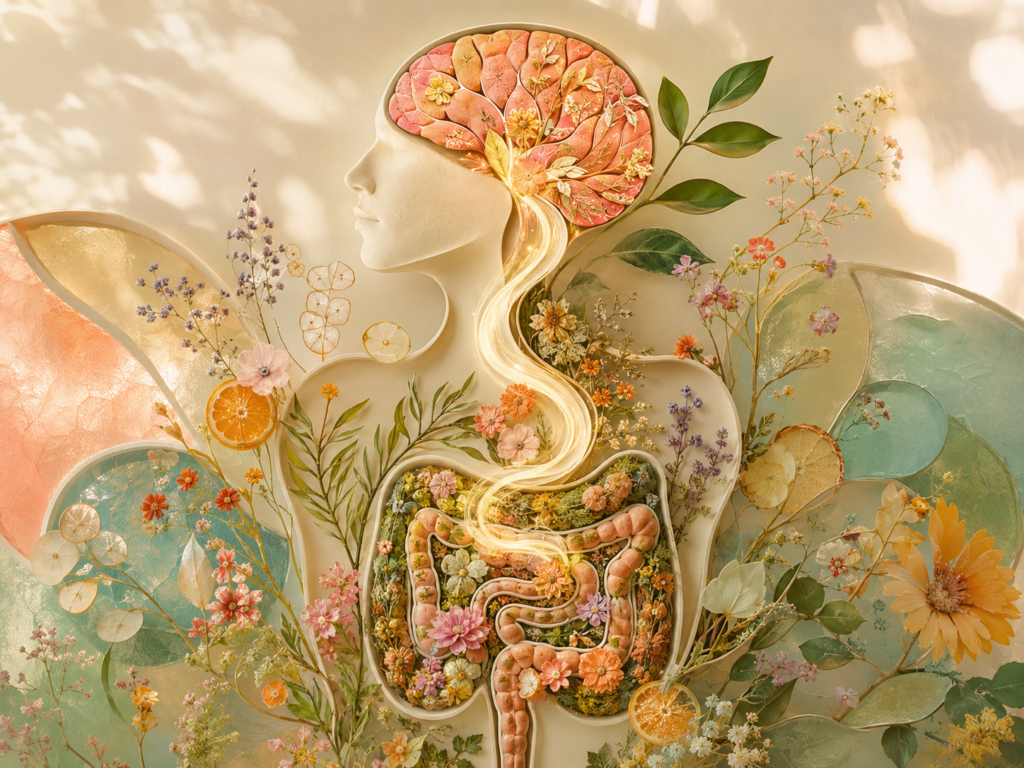
Digestion never happens in a separate little room. Your gut has nerves, immune cells, hormones, muscles, and blood vessels. Trillions of microbes are also involved. Meanwhile, your brain tracks safety, stress, hunger, pain, and emotion. Therefore, messages travel in both directions all day.
What the Gut-Brain Axis Actually Is
The gut-brain axis is a two-way link between the digestive tract and the brain. One part is the enteric nervous system. This web of nerve cells sits within the wall of the digestive tract. It helps control movement, fluid release, and local reflexes.
Also, the vagus nerve carries information between the organs and brain. In addition, hormones, immune signals, and microbial byproducts use other routes. No single nerve runs the whole show. Instead, several systems trade information at once.
Nerve signals
The enteric nervous system, vagus nerve, spinal pathways, and brain work together. They help shape hunger, fullness, gut movement, nausea, and pain.
Stress hormones
Stress signaling can change gut movement and sensitivity. As a result, some people notice diarrhea, constipation, cramping, or appetite changes.
Immune messages
Meanwhile, the gut and immune system constantly interact. Still, researchers are studying how inflammation may shape digestive and brain signals.
Microbial byproducts
Gut microbes help break down parts of food. As a result, they make compounds such as short-chain fatty acids. Those compounds may affect immune, metabolic, and nerve pathways.
How Stress Can Change Digestion
During stress, your body shifts resources toward what seems urgent. Your heart may speed up. Muscles brace. Attention narrows. At the same time, the gut may move faster or slower. You may simply feel it more.
As a result, two people can react differently to the same pressure. For example, one may lose their appetite before a presentation. Another may feel hungry but painfully bloated. Meanwhile, someone else may need the bathroom as soon as conflict starts. Still, these reactions are not a character flaw.
Over time, chronic stress can make the digestive system more sensitive. A normal amount of stretching or gas may begin to feel louder. Then worry about the sensation adds another layer of alarm. This loop matters. In fact, clinicians now use the term “disorders of gut-brain interaction” for conditions such as irritable bowel syndrome.
The science supports a connection, not a miracle cure
For example, a major 2024 review describes several gut-brain routes. They include nerve, hormone, immune, and metabolic signals. Human studies also find links between the microbiome and mood. However, many findings are associations. Animal results do not always apply neatly to people. Still, researchers are working out which changes are causes, which are effects, and which treatments help each person.
How Digestion Can Affect Mood and Your Nervous System
Meanwhile, the return trip matters too. Bloating, reflux, constipation, diarrhea, or pain can interrupt sleep. They can also drain attention. In turn, poor sleep and ongoing discomfort can make anyone feel more irritable or anxious. Sometimes the mood effect is direct. In other cases, it arrives through fatigue, pain, food worry, or planning life around symptoms.
Likewise, gut microbes are part of the picture. They help process fiber and other parts of food. They also make compounds that interact with immune and metabolic systems. Therefore, the microbiome may affect brain function through several indirect routes.
For example, you may have heard that the gut “makes most of your serotonin.” The digestive tract does make a large share of the body’s supply. Yet that serotonin mostly works in the gut. It does not simply cross into the brain and create happiness. Instead, the gut-brain axis uses signals, chemical building blocks, nerves, immune activity, and metabolism. The truth is fascinating enough without the slogan.

Gentle Ways to Support the Gut-Brain Axis
Yet supporting the gut-brain axis does not require a pantry full of powders. First, start with plain things your body can recognize and repeat. Then notice what actually helps you. There is no need to chase every new gut-health rule.
Give meals a softer beginning
First, put both feet down before the first bite. Then let one breath leave slowly. Next, loosen your jaw and look at the food. This tiny pause will not cure a digestive condition. Still, it can mark a shift from rushing to eating. It may also help you notice hunger, fullness, and tension.
Build plant variety gradually
Next, add fiber-rich foods that you tolerate. Fiber feeds many gut microbes and supports regular bowel movements. For example, oats, beans, berries, lentils, nuts, seeds, and vegetables all count. However, add fiber slowly and drink enough fluid. A sudden increase may worsen gas or bloating. People with IBS or other gut conditions may need personal guidance.
Choose steady care over supplement roulette
Meanwhile, probiotics are not interchangeable. Benefits can depend on the strain, dose, condition, and person. Moreover, evidence for mood support is still developing. For example, you may enjoy yogurt, kefir, kimchi, or another fermented food. If you tolerate it well, it can be part of a varied diet. However, you do not need to force it. You also do not need the most expensive bottle on the shelf.
Support the whole rhythm
Finally, sleep, movement, hydration, meals, medicine routines, and stress recovery all matter. For example, a short walk may help mood and bowel movement. Likewise, a steady meal pattern can be gentler than long gaps followed by a rushed, large meal. Pick one anchor that fits real life.
A useful seven-day check-in
For seven days, jot down four simple things: digestion, mood, stress, and sleep. Use a few words, not a full investigation. Then look for a loose pattern. Symptoms may follow skipped meals, poor sleep, a cycle change, new medicine, or a stressful shift. As a result, a short record can help you explain the pattern to a clinician.

When Gut-Brain Axis Symptoms Need More Than a Reset
However, do not assume every digestive symptom comes from stress. New, severe, or lasting symptoms need a proper check. Contact a qualified health professional for ongoing pain or repeated vomiting. Also call for trouble swallowing, fever, dehydration, blood in the stool, or black stool. Unexplained weight loss and a major change in bowel habits also deserve care.
Likewise, digestive care does not replace mental health care. Persistent anxiety, depression, panic, or thoughts of self-harm need direct support. Your stomach may be part of the conversation. Still, food rules or supplements cannot carry emotional distress alone.
The Anatomy of a Calm Gut
This Lifvyt guide offers a calm place to understand digestion, stress, and the vagus nerve. It also covers minerals and body patterns. Above all, the ideas come without detox pressure or rigid food rules.
Explore The Anatomy of a Calm GutYou can also browse more gentle wellness tools in the Lifvyt Digital Collection.
Gut-Brain Axis Questions People Often Ask
Can poor gut health cause anxiety or depression?
Research has found links between gut microbes, gut conditions, stress, and mood. However, anxiety and depression have many causes. Gut care may support whole-body health. Still, it should not replace mental health treatment.
Will a probiotic improve my mood?
Possibly for some people. However, the evidence cannot promise a broad mood benefit. Probiotic effects are strain-specific. Therefore, ask a clinician or dietitian for help if you have a medical condition. Also ask before using a supplement for symptoms if you take immune-suppressing medicine.
Does stress really cause stomach problems?
Stress can change gut movement, sensitivity, appetite, and how symptoms feel. Yet it is not the only possible cause. Therefore, get medical advice when symptoms are new, severe, lasting, or paired with warning signs.
What is one simple place to start?
Choose one repeatable anchor. For example, sit down for one screen-free meal. You could add one tolerated fiber food, take a brief walk, or track symptoms for a week. Often, small observations teach you more than a dramatic reset.
A Softer Way to Listen
Your gut and brain are always trading information. Some days that conversation is quiet. On other days, it sounds like a full kitchen drawer falling onto the floor.
Either way, you do not need to fear every sensation. Instead, let the gut-brain axis give you useful context. Eat when you can. Slow one meal down. Respect lasting symptoms. Then offer your body steady support without turning wellness into more stress.
Medical disclaimer: This article is for education only. It is not medical advice, diagnosis, or treatment. Always seek guidance from a physician or another qualified health professional. Ask about symptoms, diet changes, supplements, or a medical condition.
The Sunday Soft Reset
A calmer start to your week.
Get Lifvyt’s weekly collection of gentle wellness reads, nervous-system resets and practical tools — plus the free 5-Minute Nervous System Reset Guide.
By signing up, you’ll receive the free guide and one gentle Lifvyt email each week. Unsubscribe anytime.