
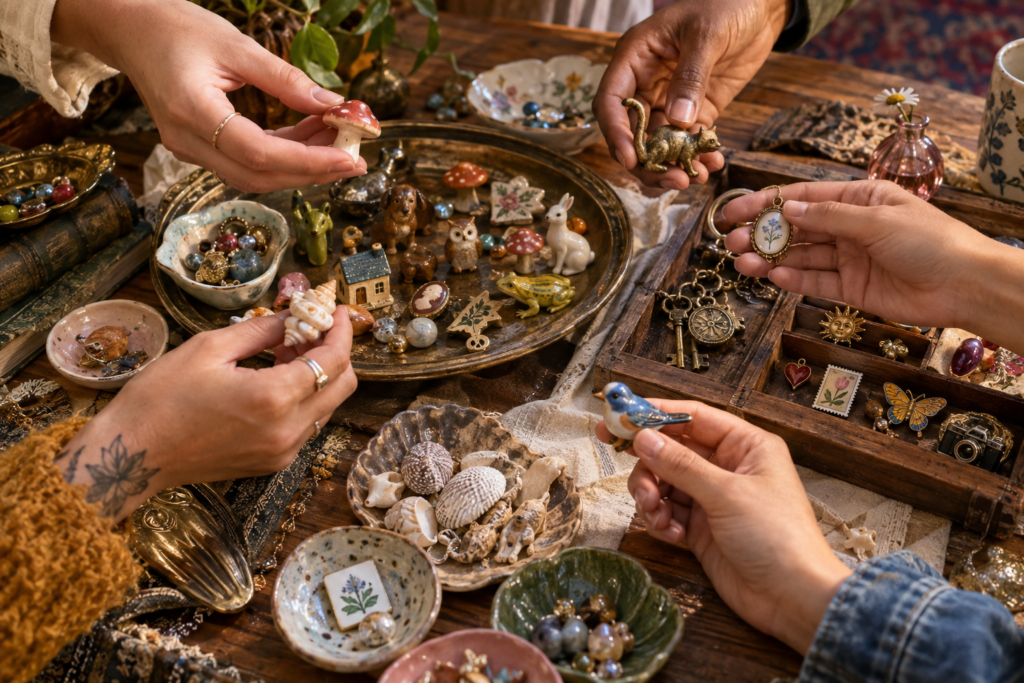
Offline Hobbies · Better together
How to Host a Trinket Swap
The tiny, joyful offline gathering where a miniature mushroom, odd little brooch, or pocket-size frog can start a surprisingly good conversation.
A trinket swap is part treasure hunt, part show-and-tell, and part excuse to sit around a table with people you like. Everyone brings a handful of small objects, lays them out, and trades for new little treasures.
Recent lifestyle coverage has followed trinket trading from social media into flea markets, cafés, sidewalks, and small gatherings. The appeal is easy to understand: it is tactile, inexpensive, a little silly, and far less awkward than being told to “network.” The objects do some of the conversational work for you.
What counts as a trinket?
Tiny décor
Mini figurines, small frames, magnets, ornaments, stones, shells, or dollhouse pieces.
Wearable bits
Brooches, charms, pins, patches, key chains, beads, or costume-jewelry pieces.
Useful little things
Bookmarks, clips, tiny tins, pretty buttons, washi samples, stamps, or pocket notebooks.
Handmade oddities
Clay creatures, friendship bracelets, painted stones, mini collages, or stitched patches.
You can source trinkets from your own drawers, a craft-supply stash, thrift stores, estate sales, flea markets, or things you make. This is not a shopping contest. A button with a funny story can be more desirable than something expensive.
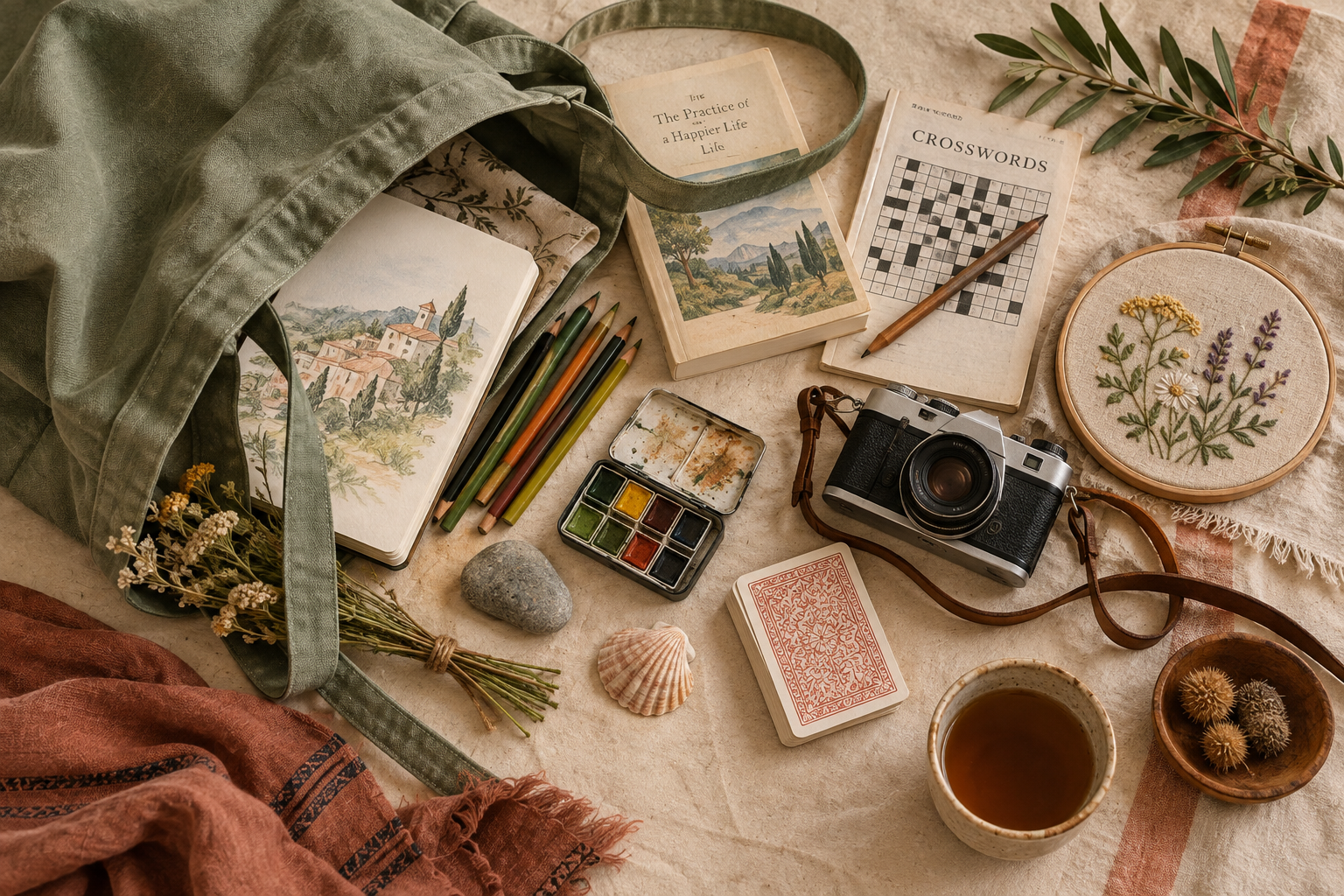
Choose your swap style
| Style | How it works | Best for |
|---|---|---|
| One-for-one tokens | Each guest receives one token for every accepted item and spends a token for each item chosen. | Groups that want the fairest, simplest system |
| Friendly trading | Guests browse, then ask one another to trade directly. | Small groups that already know each other |
| Story-first swap | Each person introduces one object and its story; names are drawn to choose in rounds. | Book clubs, coworkers, or groups that want conversation prompts |
| Free treasure table | Everyone contributes, then browses freely with a suggested take-home limit. | Casual community events with plenty of items |
How to host it, step by step
Send a clear invitation
Define “trinket,” name the number to bring, explain the swap format, and say that secondhand and handmade objects are welcome.
Set simple safety rules
Ask for items that are clean and intact. Skip sharp or broken objects, opened cosmetics, food, medicine, mystery liquids, and anything recalled or unsafe.
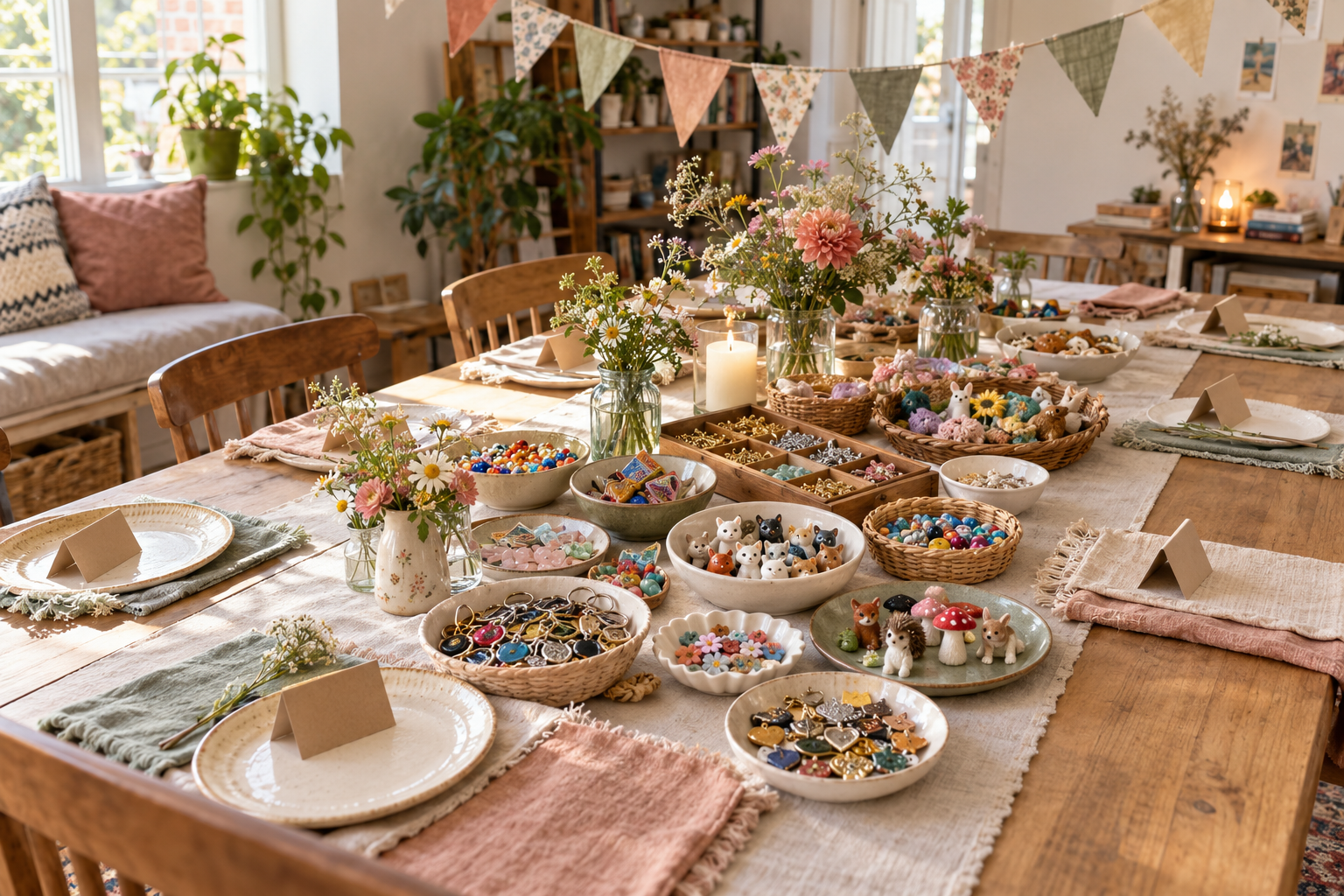
Create an inviting table
Use trays, baskets, teacups, muffin tins, or small dishes to keep objects visible. Add blank cards so guests can write a one-line story if they want.
Start with a browse-only round
Give everyone five quiet minutes to look before swapping starts. It lowers the scramble and lets shy guests settle in.
Make the exchange easy
Explain the rules in under a minute, then begin. If two people want the same item, draw a card, flip a coin, or let the original owner choose.
Plan for leftovers
Ask owners to take unwanted items home, save them for the next swap, or donate suitable items—with permission—to a thrift or creative-reuse organization.
The copy-and-send invitation
You’re invited to a tiny treasure swap.
Bring 5–10 clean, safe little objects you are ready to pass along—charms, pins, mini figures, buttons, beads, handmade bits, pocket-size curiosities, or anything delightfully odd. No need to buy anything. We’ll put everything on the table, trade one for one, and snack while we admire each other’s weird little treasures.
When: [date and time]
Where: [location]
Please skip: broken, sharp, edible, opened cosmetic, or high-value items.
Keep the party practical
- Food: Choose one easy snack and one drink. This does not need to become a catered event.
- Music: Use a low-volume playlist so people can still hear the stories.
- Seating: Give guests somewhere to sit after browsing; the conversation is the point.
- Labels: Mark a separate “look but do not swap yet” area for objects with stories.
- Money: Keep selling out of a friendly swap unless everyone agreed to a market format in advance.
- Photos: Ask before photographing people or posting their items online.
Conversation prompts that do not feel like icebreakers
Set a few prompt cards near the table. People can ignore them if conversation is already flowing.
The origin story
Where did you find this?
The tiny obsession
What odd thing do you always notice or collect?
The makeover
What would you turn this into?
The perfect person
Who would immediately love this?
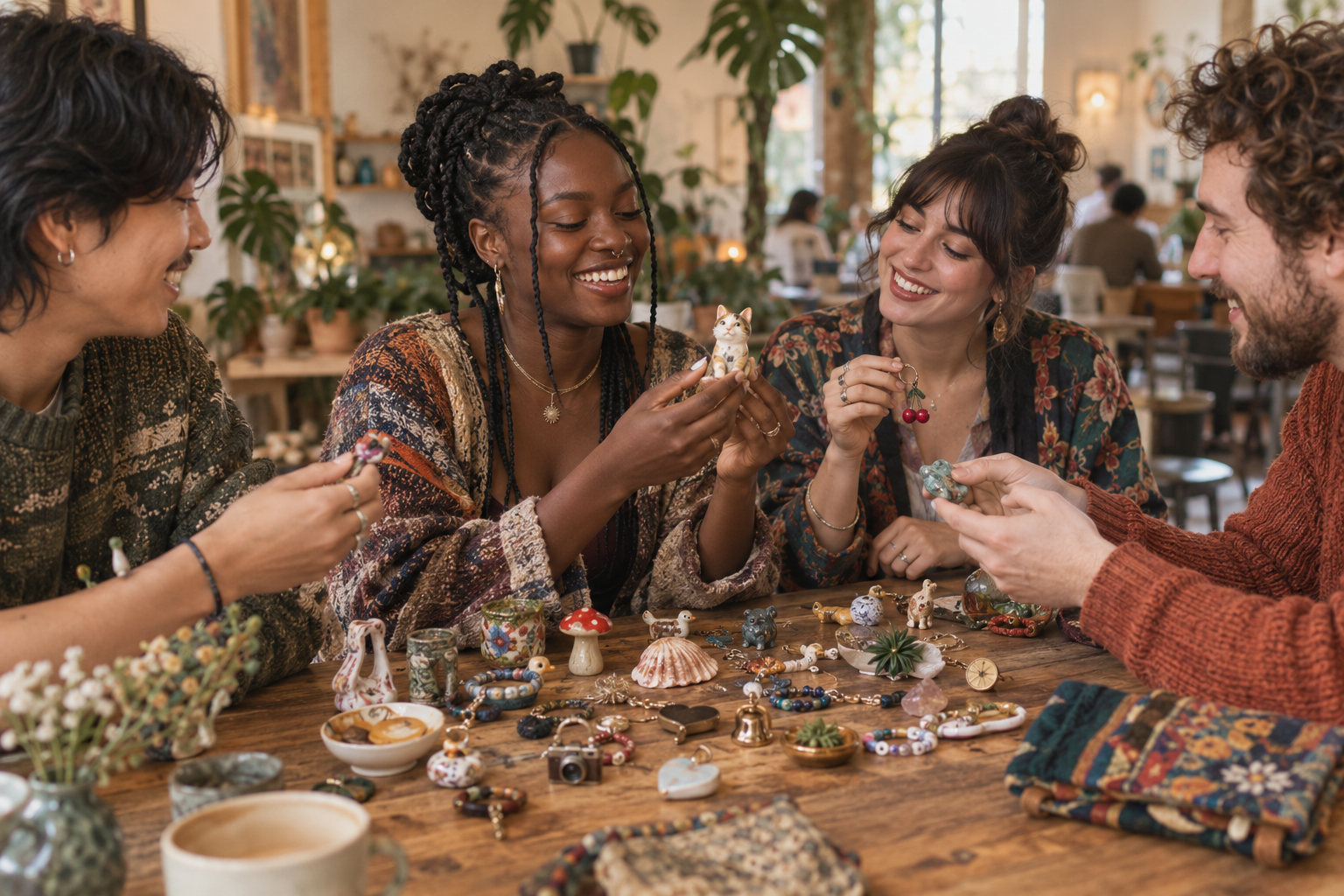
Take the idea into your community
Once you have tried a small home swap, the format can work at a book club, coworking lunch, apartment common room, craft night, neighborhood picnic, or independent shop event. Always ask the venue first, decide who is responsible for cleanup, and keep the rules visible.
A permanent community trinket box can be charming, but it also needs an owner who will regularly remove unsafe, weather-damaged, or inappropriate items. Place one only with property-owner permission and check local rules. If children may use it, avoid small choking hazards and make the setup clearly adult-supervised.
What makes a swap feel good—not grabby
- No pressure to explain why you are letting something go.
- No judging someone else’s tiny treasure.
- No taking more than the agreed limit.
- No swapping sentimental or valuable items unless you are truly ready.
- No buying a pile of new things just to participate.
- Leave room for the shy person to browse without performing.
Tiny objects. Surprisingly real connection.
The trinkets are fun, but the real keepsake is a low-pressure reason to gather, tell stories, and be a little curious together. Start with four people, one table, and whatever delightful oddities are already hiding in your drawers.
Frequently asked questions
How many trinkets should each person bring?
Five to ten is enough for variety without overwhelming the table. Choose one number for everyone so the swap feels fair.
Do the objects have to be vintage?
No. Vintage, secondhand, handmade, repurposed, and ordinary-but-funny objects can all work.
What if nobody wants an item?
That is normal. Return it to the owner, place it in a clearly marked free basket, or donate it only if an appropriate organization accepts that kind of item.
Can children join?
Use age-appropriate objects and close adult supervision. Many trinkets are choking hazards, so an adults-only swap is the safest default when the items are very small.
Can we trade valuable collectibles?
A casual swap is not an appraisal service. Keep high-value, rare, counterfeit-prone, or sentimental collectibles out unless everyone understands the risks and rules.
The Sunday Soft Reset
A calmer start to your week.
Get Lifvyt’s weekly collection of gentle wellness reads, nervous-system resets and practical tools — plus the free 5-Minute Nervous System Reset Guide.
By signing up, you’ll receive the free guide and one gentle Lifvyt email each week. Unsubscribe anytime.